The history of the electric guitar dates back to the early 20th century, when the need to amplify the sound of string instruments began to emerge. Musicians, especially in genres such as jazz and blues, sought ways to make their guitars stand out among other instruments in the band. This led to significant innovations, particularly through the work of inventors like George Beauchamp and Adolph Rickenbacker. Beauchamp is often credited as one of the creators of the first steel electric guitar, which featured an innovative design that incorporated an efficient amplification system — revolutionizing the way guitarists experienced sound.
In 1931, Beauchamp and Rickenbacker developed a model that used a magnetic pickup, capturing the vibration of the strings and converting it into electrical signals. This technological advancement radically differentiated the electric guitar from traditional acoustic instruments, which relied solely on the resonance of their wooden bodies. With the introduction of amplifiers, musicians gained the ability to increase volume and manipulate tone, opening the door to unprecedented creative expression.
The impact of these innovations on the musical landscape was profound. The electric guitar not only became a central instrument in the development of popular music but also paved the way for new styles and genres. The fusion of jazz, blues, and eventually rock began to surpass the limitations of acoustic instruments, leading musicians to experiment with elaborate solos and striking riffs. The electric guitar came to be seen as a symbol of rebellion and innovation, marking the beginning of a new musical era. This historical context illustrates how the combination of technology and creativity transformed not only the instrument but also the entire musical landscape of the 20th century and beyond.
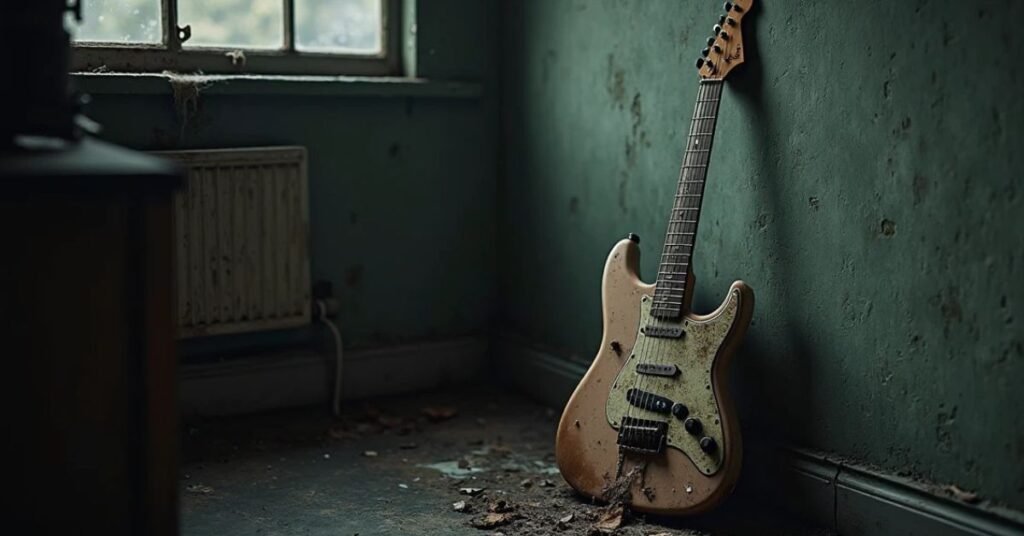
The Evolution of the Electric Guitar in the 1940s and 1950s
The evolution of the electric guitar during the 1940s and 1950s marked a foundational period in music history, characterized by new techniques and styles that shaped the musical scene of the time. During these decades, the technological development of the electric guitar accelerated, with significant innovations in design and functionality. Among the key figures of this movement was Les Paul, a pioneer whose experiments in guitar design and pickup innovations contributed greatly to the instrument’s popularity. His model, known as the Les Paul, quickly became a reference in rock music, expanding the instrument’s sonic possibilities.
At the same time, Chuck Berry emerged as an iconic figure who defined the sound of the electric guitar in the emerging genre of rock and roll. His creative riffs and energetic performances not only modernized electric guitar playing but also demonstrated how the instrument could become the beating heart of popular music. Berry’s distinctive rhythmic and melodic approach established the electric guitar as the main voice of rock and roll, inspiring future generations of musicians.
The rise of iconic brands such as Fender and Gibson also played a crucial role in the electric guitar’s evolution. The Fender Stratocaster and Telecaster, as well as the Gibson Les Paul, became symbols of rock — each bringing its own sound and visual identity. These innovations, including dual pickups and distinctive body shapes, not only transformed the guitar’s appearance but also expanded the range of musical styles that could be achieved. Playing techniques also evolved, as guitarists began to explore more complex solos and riffs that would define an era. Thus, the 1940s and 1950s were essential in solidifying the electric guitar as a cornerstone of modern music.
The Rock Era: The 1960s and 1970s
The 1960s and 1970s represent a pivotal era for the electric guitar, as its role in rock music became more dominant than ever. During this time, the guitar not only served as a musical instrument but also evolved into a cultural symbol, representing rebellion and artistic expression among the youth of the time. Legendary guitarists such as Jimi Hendrix, Eric Clapton, and Jimmy Page dominated the music scene, each contributing uniquely to the development and popularization of rock.
Jimi Hendrix, in particular, brought a revolutionary approach to the electric guitar, using innovative techniques and sound effects that expanded the instrument’s sonic possibilities. His virtuosic and expressive style influenced an entire generation of musicians. Meanwhile, Eric Clapton, through his work with bands like Cream, blended blues and rock to push the boundaries of improvisation, redefining what the electric guitar could achieve. Jimmy Page, on the other hand, combined elements of folk and blues with rock, creating memorable riffs that became the backbone of many Led Zeppelin classics.
In addition to influential guitarists, new musical styles began to emerge — such as hard rock, which emphasized heavy riffs and elaborate solos; psychedelic rock, which explored new sonic textures and effects; and heavy metal, which used the electric guitar to create a powerful, aggressive sound. These genres not only changed how the guitar was used but also shaped the identity of popular culture. The guitar became an icon of rock music, symbolizing freedom and rebellion — core traits of that generation. The rock era of the 1960s and 1970s thus witnessed a rich intersection of technique, innovation, and cultural expression, solidifying the electric guitar’s status as one of the most influential instruments in modern music.
The Electric Guitar Today: Trends and the Future
In the modern era, the electric guitar continues to be one of the most influential and versatile instruments in the music world. Current trends reveal a remarkable fusion of styles, where elements of rock, pop, jazz, and even electronic music intertwine. This eclecticism not only enriches the sound palette but also challenges musicians to explore new approaches to composition and performance.
Digital technology plays a vital role in shaping the modern electric guitar sound. With the use of music production software and advanced effects pedals, guitarists can now experiment with an almost infinite range of tones and textures. Tools like amp simulators and acoustic modeling plugins have democratized access to professional-grade sounds, allowing both amateur and professional musicians to innovate freely. This technological evolution also reflects the growing influence of digital platforms and social media, where artists can easily share their creations and reach global audiences.
A new generation of guitarists is emerging, bringing fresh and innovative perspectives to the legacy of the electric guitar. Many young musicians are reviving classic styles while incorporating contemporary influences, resulting in a unique blend of tradition and modernity. The impact of the electric guitar remains strong across genres such as alternative rock and pop, proving that the instrument still holds a vital place in today’s music scene. The future promises continued evolution, with the electric guitar adapting and reinventing itself — paving an exciting path forward for musicians eager to explore its endless sonic possibilities.

Conclusion
The journey of the electric guitar is a story of innovation, creativity, and cultural transformation. From its early invention in the 1930s to its rise as the defining sound of rock and roll, the electric guitar has continually evolved alongside music itself. Its invention not only changed how musicians performed but also how audiences experienced sound — louder, more expressive, and filled with emotion.
Throughout the decades, pioneers like Les Paul, Chuck Berry, Jimi Hendrix, and countless others shaped the identity of the electric guitar, transforming it from a technical experiment into a symbol of freedom and artistic rebellion. Each generation of players has expanded its possibilities, blending genres and pushing the boundaries of what the instrument can express.
Today, the electric guitar remains as relevant as ever — an instrument that bridges the past and future. Whether in rock, pop, jazz, or electronic music, it continues to inspire musicians worldwide. Its timeless sound and adaptability ensure that the electric guitar will remain a central force in modern music, a testament to human creativity and the power of musical evolution.
See also What to consider when buying your first acoustic bass guitar.
FAQ – The History of the Electric Guitar
1. Who invented the electric guitar?
It was developed in the early 1930s by innovators like George Beauchamp and Adolph Rickenbacker. Beauchamp is often credited with creating the first fully functional electric steel string guitar with magnetic pickups.
2. When was the first electric guitar introduced?
The first one commercially produced appeared around 1931, when Beauchamp and Rickenbacker released the “Frying Pan” model, marking the beginning of amplified string instruments.
3. How did the electric guitar change modern music?
It revolutionized music by allowing musicians to play louder and with greater tonal control. It became the foundation for new genres like rock, blues, and metal, transforming both live performances and studio recordings.
4. What were the most influential of the 1940s and 1950s?
Iconic models such as the Gibson Les Paul, Fender Telecaster, and Fender Stratocaster emerged during this era, defining the sound of modern rock and roll and shaping guitar design for decades to come.
5. Who were the most influential electric guitarists in history?
Legendary players like Jimi Hendrix, Eric Clapton, Jimmy Page, and Chuck Berry each brought unique styles and techniques that redefined how the electric guitar was played and perceived around the world.
6. How did technology influence the evolution of the electric guitar?
Advancements in amplification, pickups, and effects pedals expanded the instrument’s sonic possibilities. Today, digital tools and software allow guitarists to experiment with virtual amps, tones, and soundscapes previously impossible to achieve.
7. What role does the electric guitar play in modern music?
The electric guitar remains central to many genres, including rock, pop, jazz, and metal. It also continues to appear in experimental and electronic music, adapting to evolving musical trends while retaining its expressive power.
8. What is the future of the electric guitar?
The future of the electric guitar lies in innovation and hybridization. With new materials, digital integration, and global musical influences, it continues to evolve — inspiring a new generation of musicians to push creative boundaries.
See more about this topic.