It is a device that produces a sound or click at regular intervals. It works through a mechanism that generates rhythmic beats at a specific frequency, measured in beats per minute (BPM). The term “metronome” comes from the Greek words metron (measure) and nomos (rule), reflecting its purpose of regulating musical timing.
Its history dates back to the 18th century, when the Dutch inventor Dietrich Nikolaus Winkel developed the first practical model. However, it was Johann Nepomuk Maelzel, a German inventor and mechanic, who popularized the device in the early 19th century. His mechanical design featured a pendulum that swung at a regular tempo, allowing musicians to both hear and see the beat pattern. With advances in technology, metronomes have evolved — from traditional mechanical models to modern digital versions.
Digital metronomes, for instance, offer a wide range of additional features, such as the ability to select different rhythms, tones, and even beat subdivisions, making them highly versatile tools for contemporary musicians. Many modern versions include visual displays and app connectivity, allowing for personalized practice experiences. Its importance in percussion training is undeniable—it provides an effective way to develop rhythmic synchronization and dynamic control, both essential for any percussionist’s technical growth. In short, understanding how it works and its role in musical training is vital for musicians seeking to hone their skills with precision and structure.
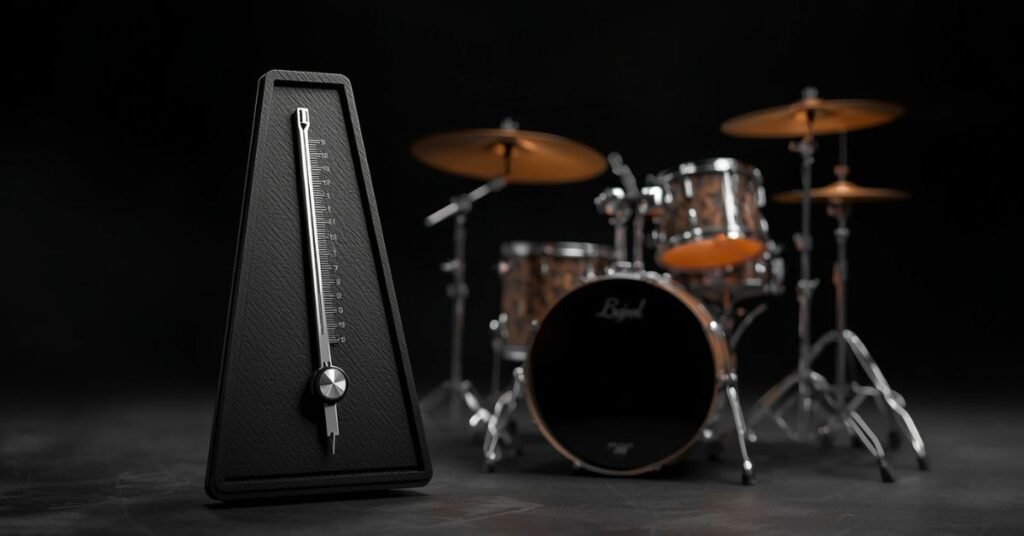
Benefits of the Metronome in Percussion Training
Using this device during percussion practice offers several significant benefits that positively impact the musician’s performance. One of the main advantages is the development of rhythmic awareness. Regular practice with a metronome helps percussionists internalize different tempos and rhythmic structures, providing a solid foundation for playing in a variety of musical settings. By keeping a consistent tempo, it trains musicians to maintain focus and cohesion in their performance.
Additionally, improves timing accuracy. The ability to play in time is crucial for musical performance, and the device provides a clear and objective reference point. Studies show that practicing with a metronome enhances a musician’s ability to play within tempo, resulting in more dynamic and harmonious performances. Research involving music students has demonstrated that those who used this device regularly showed significant improvement in their timing and beat consistency — underscoring the importance of this tool in music education.
Another valuable benefit is the ability to play in sync with other musicians. It’s helps develop a sense of collective timing and coordination, allowing percussionists to integrate more effectively into ensembles. Many renowned percussionists, including those in symphony orchestras, have reported that consistent metronome practice was crucial to their growth, enabling them to become key contributors to ensemble performances. Thus, not only enhances individual percussion training but also serves as a powerful tool that can elevate an amateur musician into a professional performer.
How to Incorporate the Metronome into Daily Practice
Integrating it into a percussionist’s daily routine is essential to improving rhythmic accuracy and performance consistency. To begin, it’s advisable to dedicate daily practice sessions specifically to working with the metronome. One practical approach is to select a basic rhythmic exercise—such as scales or rudiments—and practice it at different speeds using this device.
Start by setting the metronome to a slow tempo, such as 60 BPM, and focus on playing each note clearly. It’s crucial to maintain full attention on synchronization with the metronome, ensuring that every stroke aligns perfectly with the click. Once the exercise feels comfortable at that tempo, gradually increase the speed — for example, to 80 BPM and then to 100 BPM. This progressive approach helps solidify technique before advancing to faster tempos.
In addition to basic exercises, percussionists can vary their routines using different tempos and rhythmic structures. Experiment with subdivisions, starting with whole beats, moving on to eighth notes, and finally sixteenth notes. Practicing improvisation exercises can also help develop creativity while maintaining rhythmic consistency. Musicians should pay attention to dynamics, accents, and articulation during these sessions, as combining these elements with metronome work results in more expressive and controlled performance.
Ultimately, regular metronome use not only refines technical skills but also establishes a strong rhythmic foundation that becomes essential when performing with other musicians. The discipline and attention to detail developed through this practice translate into a more confident and polished performance.
Overcoming Challenges with the Metronome
While this tool is essential for percussion training, many musicians face challenges when incorporating it into their daily practice. One of the most common difficulties is maintaining consistent timing. It’s normal for musicians to feel disoriented or lose track of the beat—especially when practicing at higher tempos. To overcome this, it’s recommended to start at slower speeds, allowing the musician to become comfortable with the beat before gradually increasing the tempo.
Another common challenge is the tension or frustration that can arise when using this device. Some musicians feel anxious or pressured to maintain perfect timing with the clicks, which leads to physical or mental exhaustion. This frustration often stems from the expectation of immediate results. To counteract these feelings, it’s best to practice in short, regular sessions, making its use a natural and less stressful part of your routine.
The effectiveness of metronome practice can also be improved through creative strategies. For example, experimenting with different rhythmic styles or shifting beat emphasis can make practice more engaging. Adjusting the click volume or using off-beat clicks can challenge the rhythm in new ways. Furthermore, practicing without constantly looking at it helps strengthen internal rhythm and develop muscle memory.
Developing a positive relationship with the metronome is key. With patience, consistency, and mindful practice, percussionists can overcome initial challenges and harness this tool to sharpen their rhythmic precision and overall musicianship.
Conclusion
The metronome stands as one of the most essential tools in percussion training, serving not only as a timekeeper but also as a foundation for the technical and musical development of percussionists. Its role goes beyond marking beats — it shapes discipline, precision, and rhythmic control that are vital at any level of performance. From its early mechanical designs to today’s advanced digital models, the metronome has evolved alongside music, meeting the needs of musicians who constantly strive for improvement.
Consistent use of the metronome brings tangible benefits, such as improved sense of timing, rhythmic cohesion, and the ability to play in sync with other musicians. By practicing with it, percussionists learn to balance technique and sensitivity, adapting to variations in dynamics and articulation. This continuous practice leads to greater confidence, precision, and expressiveness — qualities that are essential in both solo and ensemble performances.
Ultimately, overcoming the initial challenges of using the metronome is part of every musician’s growth process. Persistence and strategic use of this tool allow percussionists to develop a more natural relationship with time and rhythm, turning practice into a productive and rewarding experience. Thus, the metronome is not merely a technical accessory but a true partner in artistic evolution — an essential element for any percussionist striving for excellence in performance.
Read also about Djembe, cajón and congas: discover the most popular drums.
FAQ
1. What is a metronome and how does it work?
It’s a device that produces regular beats or clicks at a chosen tempo, measured in beats per minute (BPM). It helps musicians maintain a consistent rhythm during practice by providing an audible reference for rhythm and speed.
2. Why is using a metronome important for percussionists?
For percussionists, the metronome is essential because it trains their sense of timing, consistency, and precision. It also improves coordination and helps them perform accurately in both solo and group settings.
3. What are the main types of metronomes available today?
There are two main types: mechanical and digital. Mechanical metronomes use a pendulum to create a steady beat, while digital metronomes often include features such as visual indicators, adjustable sounds, and tempo subdivisions.
4. How often should percussionists practice with a metronome?
Ideally, percussionists should use the metronome daily, even for short practice sessions. Consistent use builds a strong rhythmic foundation and enhances long-term musical accuracy.
5. What are some effective ways to practice with a metronome?
Start slowly with basic exercises, ensuring each beat aligns with the device’s click. Gradually increase the tempo as accuracy improves. It’s also beneficial to practice different rhythms, accents, and dynamics to develop flexibility and control.
6. How can musicians overcome frustration when using a metronome?
It’s common to feel frustrated at first. The key is to begin with slower tempos and short, focused sessions. Over time, comfort and confidence grow as the musician internalizes the rhythm naturally.
7. Can metronome practice improve ensemble performance?
Absolutely. Practicing with a metronome sharpens timing and listening skills, enabling percussionists to stay synchronized with other musicians and contribute to a more cohesive and polished group performance.
8. What long-term benefits does metronome practice provide?
Regular metronome use enhances precision, rhythmic awareness, and musical confidence. It also develops self-discipline — a skill that translates into more consistent and expressive performances over time.
See more Maintaining Tempo and Developing Rhythmic Accuracy: Practicing with a Metronome