String life is a key factor in maintaining an instrument’s sound quality and playability. Proper care and regular maintenance can significantly delay the need for replacement by keeping clean and free from corrosion or buildup. Regular cleaning, avoiding excessive moisture, and storing the instrument properly are essential habits for prolonging its lifespan.
Musicians often overlook simple measures like cleaning after each use or using specific cleaning products. These practices help prevent dirt and oils from degrading the strings, ensuring a clearer tone and better tuning stability. Recognizing signs of wear early also allows for timely replacement, before sound quality is compromised.
With the right routine and attention, players can get the most out of their strings without sacrificing their instrument’s performance. This guidance suits both beginners and experienced musicians who want to maintain a consistent and reliable sound.
Essential Daily Practices
Caring for strings every day helps preserve their tone and flexibility. Simple actions before and after playing, along with mindful storage and inspections, prevent premature wear and corrosion.
Cleaning Strings After Each Use
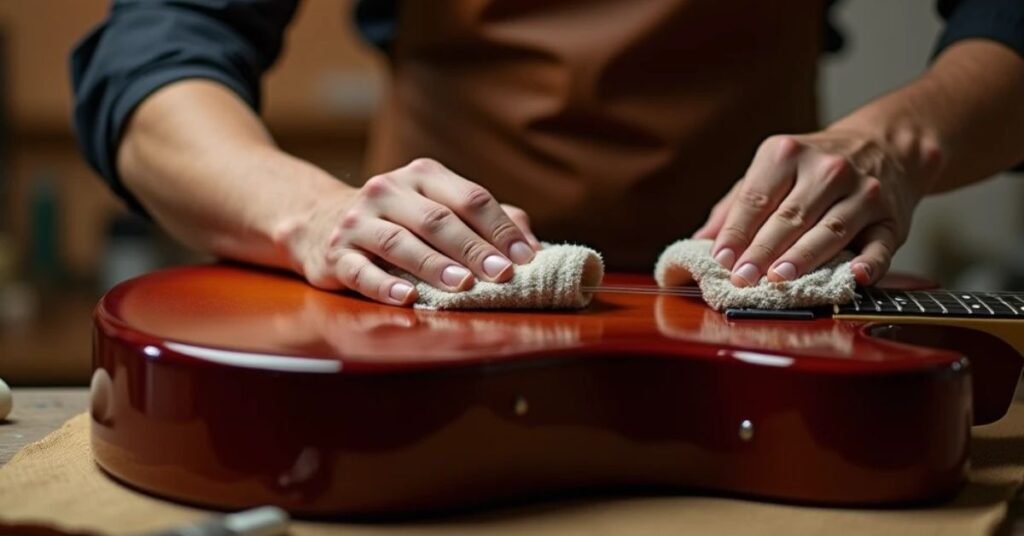
Wiping strings clean immediately after playing removes oils, sweat, and dirt that degrade their surface. A soft, dry cloth or microfiber towel works best for this task.
Gently run the cloth along each string to clear buildup without applying pressure that can damage the winding. Avoid using household cleaners; string-specific cleaners may be used sparingly if recommended.
Consistent cleaning prevents corrosion and maintains smoothness, which improves intonation and playability over time.
Proper Hand Hygiene Before Playing
Hands coated with oils, lotions, or dirt accelerate string wear and reduce lifespan. Players should wash hands thoroughly with soap and dry them completely before touching their instrument.
Avoid heavy creams or sticky residues that attract dust. Clean, dry hands help maintain string clarity and reduce the frequency of replacements.
This habit supports better string condition and overall instrument hygiene.
Storing Instruments in the Right Environment
Proper storage minimizes exposure to humidity and temperature fluctuations that weaken strings. Instruments should be kept in protective cases when not in use.
Ideal conditions include stable temperatures around 65-75°F (18-24°C) and relative humidity near 40-60%. Use a humidifier or dehumidifier if necessary to maintain levels.
Avoid leaving instruments near heat sources, windows, or in direct sunlight. Controlled environments slow string deterioration.
Routine Visual Inspections
Daily visual checks help identify early signs of wear like rust, discoloration, or fraying. Inspections should include all strings from tuning pegs to bridge.
If corrosion is spotted, it signals the need for cleaning or replacement. Pay attention to tuning stability and any buzzing sounds indicating damage.
Frequent inspections allow timely maintenance, preventing sudden string failure during playing.
Long-Term Care Techniques
Proper maintenance extends string life and maintains sound quality. Techniques like using lubricants, rotating strings, and managing tension are critical to preserving both playability and instrument health.
Using String Lubricants and Conditioners
Applying lubricants and conditioners reduces friction between strings and the instrument’s nut, bridge, or fingers. This minimizes wear and prevents corrosion, especially for metal strings.
Musicians should use products specifically designed for instruments. These are often silicone-based or contain protective oils that do not damage the strings or instrument finish.
Regular application, about once a month or more frequently in humid environments, helps maintain smooth playability and extends the life of the strings. Cleaning them before use also removes sweat and oils that accelerate deterioration.
Rotating String Sets
Rotating between multiple string sets helps prevent localized wear and prolongs overall string life. Switching strings before they break or lose tone maintains consistent sound quality during practice and performance.
Players should label or keep track of string age and condition. Using the freshest set for demanding performances ensures stable tuning and clean tone.
Storing extra string sets properly—away from moisture and extreme temperatures—preserves their condition for longer use. Rotation combined with good storage reduces the frequency and cost of full replacements.
Monitoring String Tension
Maintaining correct string tension protects both the instrument and the strings. Excessive tension stresses string fibers, shortening life and risking damage to the instrument’s soundboard or neck.
Musicians should tune strings carefully and avoid overtightening beyond recommended pitch. Using appropriate gauge strings for the instrument type also supports optimal tension balance.
Regularly checking tension with a reliable tuner and visually inspecting string condition for signs of fatigue or distortion helps prevent unexpected failures and maintains sound stability.
Avoiding Common Causes of String Wear
String wear is accelerated by contact with substances and environmental factors that degrade materials. Preventing exposure to these elements helps maintain sound quality and prolong string life.
Protecting Against Sweat and Oils
Sweat and natural skin oils contain salts and acids that corrode strings over time. Frequent contact causes discoloration and weakens the string material.
Players should wipe strings with a clean, dry cloth immediately after playing. Using specialized string cleaners or wipes designed to remove oils can further reduce buildup.
Washing hands before playing lowers the amount of sweat and oil transferred. Avoid touching strings unnecessarily during practice or performance to reduce wear.
Minimizing Corrosive and Environmental Exposure
Exposure to humidity, dust, and temperature fluctuations can cause strings to rust and lose tone quality. High moisture levels speed oxidation and weaken string integrity.
Strings benefit from being stored in a controlled environment away from direct sunlight, excessive heat, and dampness. Using a sealed case with silica gel packets helps keep strings dry.
Regular cleaning removes dust that can build up on strings and cause abrasion. Avoid leaving instruments in vehicles or near heaters where extreme conditions accelerate string degradation.
Maintaining your instrument’s strings is more than just a routine—it’s an essential part of preserving tone, comfort, and performance quality. By consistently cleaning the strings after each session, keeping your hands free of oils and residue, and storing your instrument in a stable environment, you can significantly slow down wear and prevent corrosion. These small, mindful habits ensure your instrument remains dependable and resonant over time.
Beyond daily care, incorporating long-term maintenance practices is key to extending string life. Using specialized lubricants, rotating between string sets, and regularly monitoring string tension helps maintain consistent tone and tuning stability. These techniques not only enhance playability but also reduce the cost and frequency of string replacements, allowing musicians to focus on what matters most—making music.
Ultimately, string care is a reflection of how much attention and respect a musician gives to their craft. Every step, from cleaning to careful storage, contributes to a richer sound and a longer-lasting instrument. Whether you’re a beginner learning the basics or a professional seeking peak performance, treating your strings with care ensures your music always shines at its best.

Conclusion
Maintaining your instrument’s strings is more than just a routine—it’s an essential part of preserving tone, comfort, and performance quality. By consistently cleaning the strings after each session, keeping your hands free of oils and residue, and storing your instrument in a stable environment, you can significantly slow down wear and prevent corrosion. These small, mindful habits ensure your instrument remains dependable and resonant over time.
Beyond daily care, incorporating long-term maintenance practices is key to extending string life. Using specialized lubricants, rotating between string sets, and regularly monitoring string tension helps maintain consistent tone and tuning stability. These techniques not only enhance playability but also reduce the cost and frequency of string replacements, allowing musicians to focus on what matters most—making music.
Ultimately, string care is a reflection of how much attention and respect a musician gives to their craft. Every step, from cleaning to careful storage, contributes to a richer sound and a longer-lasting instrument. Whether you’re a beginner learning the basics or a professional seeking peak performance, treating your strings with care ensures your music always shines at its best.
Read Also: History of the Electric Guitar.
FAQ
1. How often should I clean my instrument’s strings?
It’s best to clean them after each practice or performance. Wiping them down removes sweat, oils, and dirt that cause corrosion and dull the sound.
2. Can I use regular household cleaners to clean my strings?
No. Household cleaners can damage materials or the instrument’s finish. Always use products specifically designed for string cleaning.
3. How do I know when it’s time to replace my strings?
If you notice discoloration, rust, fraying, or a dull tone that doesn’t improve after cleaning, it’s time to replace them.
4. Does humidity affect string life?
Yes. High humidity can cause rust, while low humidity can make strings brittle. Keeping your instrument in a controlled environment helps maintain string health.
5. Should I loosen the strings when storing my instrument?
If you’re storing the instrument for a long period, slightly loosen the strings to relieve tension on the neck. For short-term storage, normal tuning is fine.
6. What type of cloth should I use to clean my strings?
A soft microfiber or cotton cloth works best. Avoid rough fabrics or paper towels that can scratch or damage the string surface.
7. Are lubricants really necessary?
Yes, especially for metal strings. Lubricants reduce friction, prevent corrosion, and improve smoothness while playing.
8. Can rotating assemblies really extend their service life?
Absolutely. Rotating between sets prevents uneven wear and keeps your tone consistent, making your strings last longer overall.