Regular maintenance of string instruments is crucial not only for preserving sound quality but also for ensuring the instrument’s durability. These instruments are exposed to various external factors such as humidity, temperature, and natural wear. Environmental fluctuations can affect the wood and other materials, leading to cracks and warping that compromise sound performance. Therefore, conducting routine maintenance helps prevent serious damage and reduces the long-term cost of repairs.
In addition, proper maintenance extends the lifespan of the instrument. A guitar, for instance, when properly cared for through string replacement, truss rod adjustments, and regular cleaning, preserves both its structural integrity and tonal quality. Instruments that receive consistent upkeep are more likely to remain in optimal condition for many years, maximizing the return on investment for musicians and collectors alike.
Another fundamental factor is playability, which is significantly influenced. Well-tuned instruments provide a more comfortable and enjoyable playing experience, allowing musicians to execute complex techniques more efficiently. Tasks such as adjusting the correct string height, adjusting tension, and cleaning frets directly impact a musician’s performance.
Therefore, it’s not just a matter of care, but a necessity for any serious musician who wants to ensure quality performance and longevity of their instrument. Ongoing maintenance is an investment that yields long-term benefits, creating a positive cycle of use and value over time.
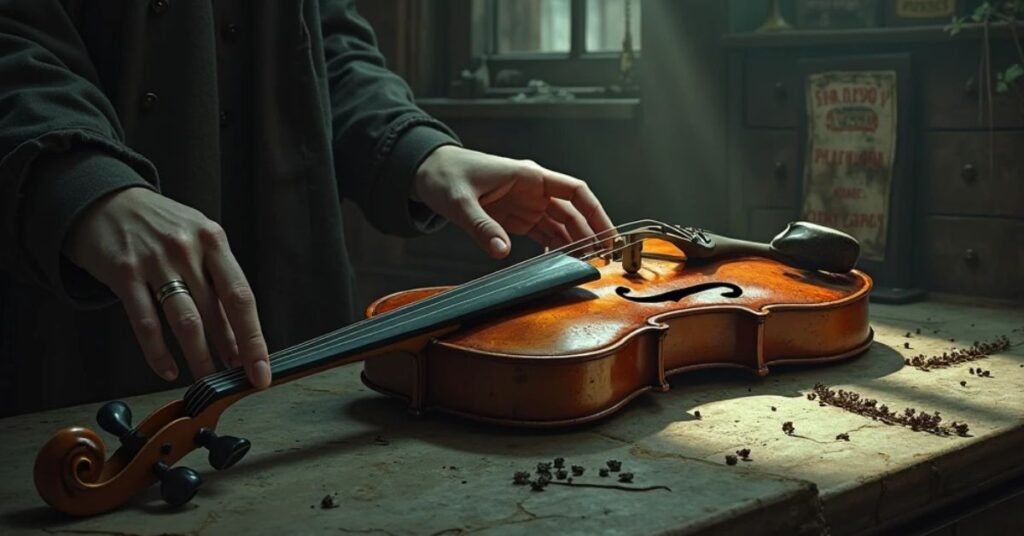
Cleaning: What to Do and When
Cleaning string instruments is essential to maintain sound quality and extend their lifespan. Musicians should establish a regular routine, which varies depending on how often the instrument is used and the environment in which it is played. In general, a light cleaning is recommended after each use, while deeper cleanings can be scheduled weekly or monthly.
Immediately after playing, musicians should use a soft, dry cloth to remove dirt, oil, and other residues that can accumulate on the instrument’s surface. This includes removing rosin buildup, which is common on violins, violas, and cellos. Over time, rosin can become sticky and damage the instrument’s finish if not properly removed.
For instruments like guitars, cleaning should be done with appropriate products designed for the specific finish. For example, guitars with a polyester finish can use a spray cleaner, while those with a nitrocellulose finish require gentler products. It’s also important to protect the instrument’s surface with a suitable wax to prevent wear and maintain its shine.
Beyond surface cleaning, maintaining the strings is also critical. Strings should be wiped with a cloth dampened with a suitable cleaner or just water to prevent dirt buildup. The frequency of string replacement varies according to playing style and string type, so musicians should stay attentive to when replacements are needed to maintain optimal sound quality.
Key Maintenance Tasks for String Instruments
Proper maintenance is essential to ensure both sound quality and the longevity of string instruments. One of the most important tasks is adjusting the neck, which directly influences string height and, consequently, the instrument’s playability and tuning stability. Musicians should be alert for signs that a neck adjustment is needed, such as difficulty pressing strings or tuning issues over time. While experienced players can perform this adjustment, professional assistance is often recommended to prevent potential damage.
Tuning checks are another essential maintenance task. Keeping the instrument properly tuned not only enhances sound quality but also makes practice and performance easier. Musicians should use electronic tuners or tuning apps for accuracy. Regularly checking tuning before rehearsals or performances helps avoid unpleasant surprises that could affect the performance. This simple routine can be performed by any musician before playing.
Changing strings is another crucial activity. Worn strings can impair sound projection and clarity. Changing frequency depends on how often the instrument is played, but a common guideline is to change strings every one to four weeks, depending on playing intensity. It’s important not only to select the right strings for your instrument but also to learn proper stringing techniques to avoid future problems. If the task seems too complex, seeking help from a luthier is always a smart option.
Benefits of Regular Maintenance and Cleaning
String instruments offer numerous benefits for both performance and longevity. When musicians dedicate time to caring for their instruments, they ensure high-quality performances and extend the life of their equipment. Dirt, sweat, and residue buildup can negatively affect sound and response, leading to poor performance. Consistent and careful maintenance preserves timbre and sound quality at optimal levels.
Furthermore, regular cleaning helps prevent corrosion on strings and other components, reducing the need for frequent replacements. This not only saves musicians money on maintenance but also ensures they always play with a well-functioning instrument. Musicians who neglect this often face problems such as broken strings during performances or out-of-tune instruments—issues that can seriously affect the quality of their performance. Stories from renowned artists show that neglecting these procedures can lead to disappointing performances and even damage their professional reputation.
On the other hand, musicians who follow these routines report immense satisfaction with their instruments. They achieve superior performance and greater confidence on stage. The emotional bond between the musician and their instrument is also strengthened with regular care, making the musical experience even more rewarding. Ultimately, regular maintenance and cleaning are essential to achieving musical excellence and ensuring a long and successful career in the performing arts.

Conclusion
Regular maintenance and cleaning of string instruments are more than just good habits—they are essential practices for preserving the quality, longevity, and performance of the instrument. By dedicating consistent care, musicians can prevent costly repairs, maintain tonal excellence, and ensure their instruments always perform at their best.
Moreover, a well-maintained instrument enhances playability, allowing musicians to express themselves more freely and confidently. This not only improves performance but also strengthens the emotional connection between the player and their instrument.
Ultimately, investing time in regular maintenance and cleaning is an investment in musical excellence. It reflects a musician’s professionalism, respect for their craft, and commitment to achieving the highest level of sound quality and performance.
Read also: Ukulele, The 10 Best and Easiest Songs to Play.
FAQ – Regular Maintenance and Cleaning for String Instruments
1. How often should I clean my string instrument?
It should be cleaned after each use, while a deeper cleaning is recommended weekly or monthly, depending on how often you play.
2. What happens if I don’t maintain my instrument regularly?
Neglecting it can lead to problems such as poor sound quality, damaged wood, string corrosion, and costly repairs.
3. Can I clean my instrument with household products?
No. Always use products specifically designed for musical instruments to avoid damaging the finish or materials.
4. How often should I replace the strings?
Strings should typically be replaced every 1–4 weeks, depending on how frequently you play and the type of strings used.
5. What is the purpose of adjusting the truss rod?
The truss rod controls the curvature of the neck. Proper adjustment ensures good playability and prevents string buzzing or high action.
6. Is it safe to clean the fretboard with water?
Use as little moisture as possible and a soft cloth. For a deeper clean, apply a guitar neck conditioner instead of plain water.
7. How can I protect my instrument from humidity and temperature changes?
Store your instrument in a hard case with a humidity control system and avoid leaving it in direct sunlight or near heaters.
8. Should I perform all maintenance tasks myself?
Basic cleaning and string changes can be done by musicians, but structural adjustments should be handled by a professional luthier.
9. What signs indicate that my instrument needs a professional?
Buzzing sounds, warped necks, tuning instability, or visible cracks are signs you should seek professional help.
10. How does regular maintenance improve my playing experience?
A well-maintained instrument feels smoother to play, stays in tune longer, and produces a richer, more consistent tone, enhancing your overall performance.
See also: Violinist’s Complete Guide: Maintenance, Adjustment and Strings.