Proper maintenance and care are essential to extending the lifespan of a drum set and ensuring consistent sound quality. Regular cleaning, tuning, and inspection help prevent damage and deterioration, allowing the instrument to perform at its best over time. Consistent upkeep not only protects the drums but also saves money by reducing the need for costly repairs or replacements.
A good maintenance routine addresses key areas such as drumhead condition, hardware stability, and cymbal cleanliness. Attention to these details preserves the drum’s tone and playability, making a noticeable difference in both practice and performance settings. Drummers who prioritize care often experience more reliable equipment and a smoother playing experience.
Understanding the basics of drum set maintenance empowers drummers to take control of their instrument’s health. By following straightforward care practices, they can prolong the life of their kit and maintain its sound quality throughout years of use.
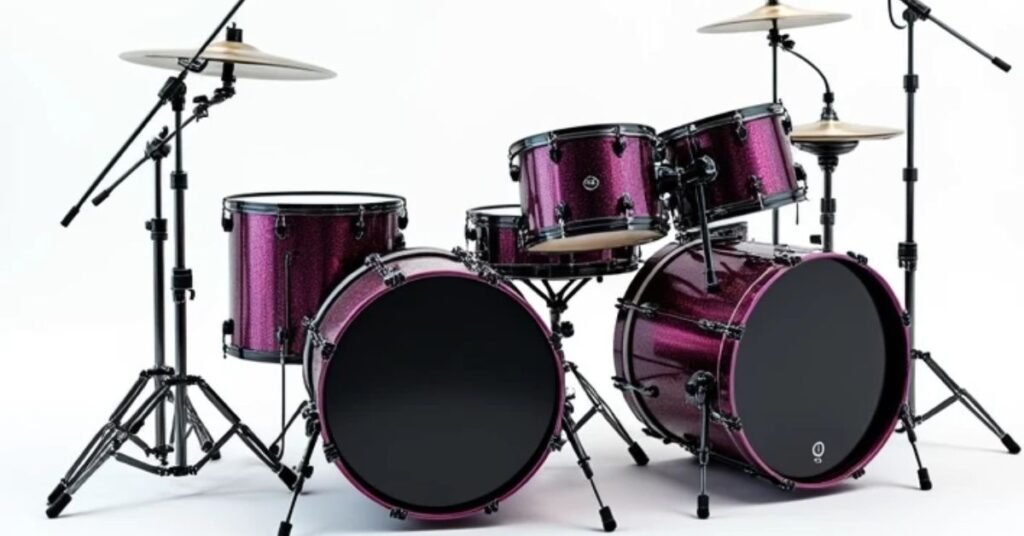
Routine Cleaning and Upkeep
Maintaining a drum set requires consistent attention to both surface cleanliness and proper handling. Regular wiping, deep cleaning, tarnish prevention, and responsible storage all play essential roles in preserving the instrument’s condition and sound quality.
Daily Wipe-Down Methods
Drummers should use a soft, lint-free cloth to wipe down drum shells, hardware, and cymbals after each use. This removes sweat, oils, and dust that can degrade finishes and hardware over time. Avoid abrasive materials that could scratch surfaces.
For hardware, a microfiber cloth slightly dampened with water or a mild cleaner designed for instruments works well. Dry thoroughly to prevent rust or corrosion. Regularly check tension rods and lugs for looseness to maintain tuning stability.
Deep Cleaning Drum Shells
Every few weeks or after heavy use, deeper cleaning is necessary. Use a mild soap diluted in water and a soft cloth to gently clean shells. Avoid harsh chemicals or excessive moisture, which can damage wood or finishes.
Dry immediately with a clean, dry cloth to prevent water damage. Applying a small amount of shell polish or wax designed for drums can help protect and enhance the shell’s appearance. Test any product on a small area first.
Keeping Cymbals Tarnish-Free
Cymbals require special attention to avoid tarnish and discoloration. Hand-clean with a soft cloth after playing, avoiding abrasive or acidic cleaners. For more thorough cleaning, use a cymbal cleaner made specifically for bronze or brass.
Careful handling minimizes fingerprints and oils that accelerate tarnishing. If tarnish becomes visible, apply cleaner sparingly and wipe gently in the direction of the cymbal grooves. Rinse with water and dry fully to prevent residue buildup.
Safe Storage Solutions
Proper storage greatly affects drum longevity. Store drums in a climate-controlled environment, avoiding extreme temperatures and humidity that can warp shells or damage heads.
Use padded cases or covers to protect from dust, moisture, and accidental knocks. Avoid stacking drums directly on top of each other. Keep drumsticks and small parts organized to prevent damage or loss.
Protecting Hardware and Components
Proper care of a drum set’s hardware is essential for maintaining its functionality and lifespan. Regular attention to moving parts, tuning mechanisms, drumheads, and support equipment prevents wear and damage.
Lubricating Moving Parts
Lubrication reduces friction and wear on hardware components like pedals, hi-hat stands, and swivel joints. Use a non-greasy, high-quality lubricant designed for musical instruments or light machine oil. Avoid heavy oils that attract dust and grime.
Apply lubricant sparingly to hinges, bearings, and springs. Excess lubricant can cause buildup, impairing movement. Regularly check for stiffness or squeaks, signaling the need for lubrication. Wipe off any excess to keep parts clean and responsive.
Tuning Lug and Tension Rod Maintenance
Lugs and tension rods require consistent care to maintain drum tuning and avoid damage. Before tuning, ensure rods turn smoothly without resistance. Clean threads with a soft cloth to remove dust and dirt.
Lightly apply a lubricant or anti-seize compound to lug threads to prevent seizing over time. Avoid over-tightening as it can strip threads or warp the drum shell. Inspect rods regularly for bends or damage and replace any compromised parts immediately.
Caring for Drumheads
Drumheads are highly susceptible to wear and environmental conditions. Clean drumheads lightly with a dry or slightly damp cloth after use to remove dust and oils from sticks or hands.
Replace drumheads at the first sign of dents, cracks, or inconsistent sound. Rotate the drumheads occasionally to promote even wear. Store drums in controlled environments to protect heads from humidity and temperature fluctuations, which can cause fading, warping, or cracking.
Pedal and Stand Inspection
Pedals and stands support the drummer’s performance and need regular inspection to ensure safety and function. Check pedals for loose screws, worn springs, and smooth pedal board motion.
Evaluate stands’ tightening mechanisms and joints for stability. Replace missing or damaged rubber feet to prevent slipping and protect floors. Tighten any loose bolts or screws and replace rusted hardware promptly to avoid failure during use.
Controlling the Environment
Maintaining stable conditions around a drum set is crucial for preserving its quality and sound. Attention to temperature, humidity, dust, and light exposure can prevent damage to wood, metal, and drumheads over time.
Managing Temperature and Humidity
Extreme or fluctuating temperatures can cause drum shells to warp and hardware to loosen or corrode. Ideal storage temperature ranges between 65°F and 75°F (18°C to 24°C). Sudden changes in temperature should be avoided as they stress materials and affect tuning stability.
Humidity levels should be kept around 40% to 60%. High humidity can lead to wood swelling and rust, while low humidity causes drying, cracking, and shrinking. Using a room humidifier or dehumidifier helps maintain a consistent environment, especially in climates with severe seasonal changes.
Dust and Moisture Prevention
Dust accumulation affects both the appearance and performance of drums. Dust particles can scratch drum surfaces and settle inside hardware, causing wear or corrosion.
Regular dusting with a dry microfiber cloth minimizes buildup. Avoid spraying cleaners directly on drums; apply them to cloths instead.
Moisture from spills or condensation can damage drum heads and metal parts. Drums should not be stored near sources of moisture, like windows or damp basements. Enclosing the drum set in a case or cover when not in use helps shield it from dust and moisture.
Avoiding Direct Sunlight
Direct sunlight causes drum finishes to fade and drum shells to dry out, which can lead to cracks. Ultraviolet rays weaken drum materials over time, affecting both visual appeal and sound quality.
Drum sets should be placed away from windows or use UV-blocking window treatments. If sunlight exposure is unavoidable, covering drums with cloth or protective cases during inactivity reduces damage.
Keeping drums out of direct sunlight preserves their integrity and extends their usable life.
Best Practices for Long-Term Drum Care
Maintaining a drum set over time requires consistent attention to its condition, timely replacement of worn parts, and careful handling during transport. These steps ensure the instrument stays reliable and sounds its best.
Regular Inspection Routines
Drummers should perform visual and functional checks regularly. Inspect drumheads for any dents, tears, or stretching, as these affect tone quality and tuning stability.
Hardware like lugs, tension rods, and mounts must be checked for tightness and rust. Loose screws or rusted parts can lead to sound issues or hardware failure.
It’s also important to examine cymbals for cracks or warping and clean them with appropriate products to maintain their resonance. Regular inspections prevent minor problems from escalating.
Replacing Wearable Parts
Drumheads are the most frequently replaced parts, typically worn after months of use depending on playing style. Signs such as loss of tone, visible dents, or difficulty in tuning indicate replacement time.
Other consumables include drumsticks, snare wires, and bass drum beater heads, all of which affect playability and sound clarity when worn.
Using quality replacement parts that fit the specific drum model helps retain the instrument’s original performance characteristics. Scheduling replacements proactively reduces the risk of unexpected failures during performances.
Transporting Your Drum Set Safely
Proper transport practices protect the drum set from physical damage and environmental stress. Using padded cases or bags designed for drums cushions each component against shocks and vibrations.
When disassembling, labeling parts and loosening tension rods slightly can prevent damage during movement. Avoid stacking drums directly on each other to prevent dents and scratches.
Controlling humidity and temperature during storage and transportation also prevents wood warping and hardware corrosion. A well-planned setup reduces maintenance needs caused by transit-related damage.

Conclusion
Proper maintenance and care are the foundation of preserving a drum set’s quality, tone, and durability. By following consistent cleaning routines, inspecting parts regularly, and protecting the kit from environmental stress, drummers can ensure that their instruments perform at their best for years. Routine upkeep not only enhances sound consistency but also prevents costly repairs and premature wear, making it an essential habit for every serious musician.
Beyond cleaning, attention to hardware, drumheads, and cymbals plays a vital role in sustaining performance reliability. Lubricating moving parts, monitoring tuning mechanisms, and keeping components corrosion-free help maintain responsiveness and tuning stability. Equally important is controlling temperature and humidity, as environmental balance safeguards the wood, metal, and finishes that shape a drum set’s tone and longevity.
Ultimately, a well-maintained drum set rewards players with consistent sound, comfortable playability, and dependable performance across every session. Investing time in care and inspection not only protects the instrument but also reflects the musician’s professionalism and respect for their craft. With proper maintenance, drummers can enjoy a powerful, expressive sound that endures through years of practice, recording, and performance.
Read also: The Importance of the Metronome in Percussion Training.
FAQ – Drum Set Maintenance and Care
1. How often should I clean my drum set?
It’s best to wipe down your drum set after every use to remove dust, sweat, and fingerprints. A deeper cleaning session should be done every few weeks or after heavy use to maintain shine, tone, and hardware condition.
2. What’s the best way to clean drum shells without damaging them?
Use a soft, damp microfiber cloth with mild soap and water. Avoid harsh chemicals, alcohol, or abrasive materials. Always dry the shells thoroughly and, if desired, apply a drum-safe polish or wax for protection and shine.
3. How can I prevent my cymbals from tarnishing?
After each session, gently wipe your cymbals with a soft cloth to remove oils and dirt. For deeper cleaning, use a cymbal cleaner specifically designed for bronze or brass, and always clean in the direction of the grooves.
4. What temperature and humidity levels are ideal for storing drums?
Store your drum set in a controlled environment between 65°F and 75°F (18°C–24°C) and keep humidity levels around 40%–60%. Avoid exposing drums to direct sunlight or storing them in damp areas, which can warp wood and rust metal parts.
5. How often should I replace drumheads?
Drumheads should be replaced every few months, depending on how often and how hard you play. Signs that it’s time for a replacement include dents, cracks, loss of tone, or difficulty maintaining tuning.
6. Can I use regular oil to lubricate drum hardware?
No. Always use light, non-greasy lubricants designed for musical instruments or precision parts. Heavy oils can attract dust and grime, which may cause stiffness or damage over time.
7. What’s the best way to transport my drum set safely?
Use padded cases or bags designed for each drum and cymbal. Label hardware, loosen tension rods slightly, and avoid stacking drums directly on top of each other. Controlled temperature and humidity during transport also help prevent warping and corrosion.
8. Why is regular drum maintenance important?
Consistent maintenance extends the lifespan of your drum set, preserves tone quality, and reduces repair costs. It ensures reliable performance during practice and live shows, allowing drummers to focus on creativity instead of equipment issues.
See also: How to clean your drum set.