The marimba is a percussion instrument that possesses a rich history and unique sound characteristics, distinguishing it from other similar instruments such as the xylophone. Originating from Africa, the marimba has traversed continents, evolving into a vital component of both traditional and contemporary music across various cultures. Its development can be traced back to ancient times when it was primarily constructed with wooden bars and resonating tubes. Today’s marimbas are more sophisticated, with a refined structure that enhances their range and tonal quality.
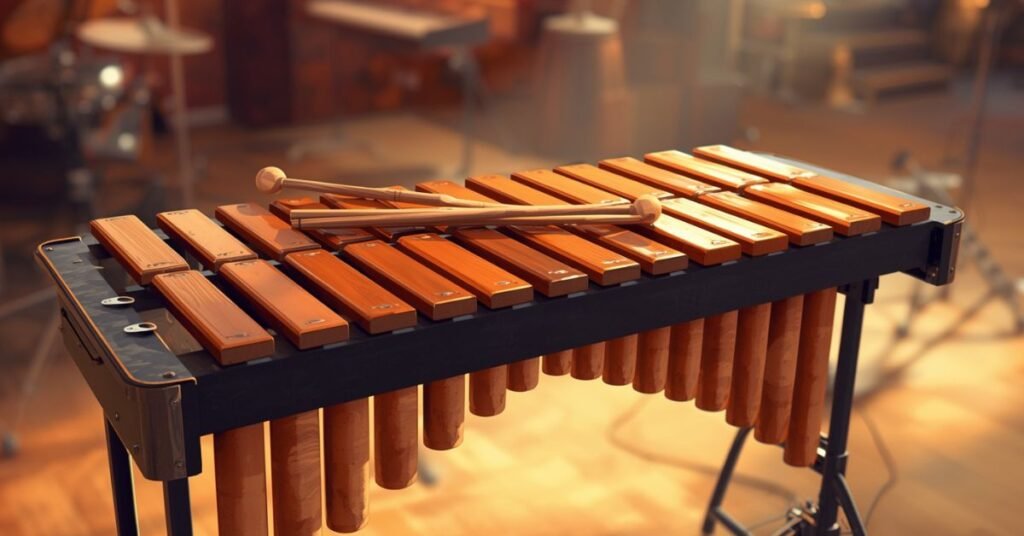
The marimba typically features a series of wooden keys or bars arranged from low to high, which are struck with mallets to produce sound. Resonators, usually made of metal, are placed beneath each bar to amplify the sound, creating a rich, warm tone that is both soothing and intricate. This intricate setup allows for a broad range of dynamics and expressive capabilities, making the marimba suitable for different music genres including classical, jazz, and world music.
One of the key distinctions between the marimba and the xylophone is the depth of tone. While both instruments share a similar structure, the marimba’s bars are wider and longer, contributing to its lower pitch range and warmer tone. Additionally, marimbas typically have a four-octave range, allowing musicians to explore a wider variety of musical pieces compared to the traditional xylophone. The unique characteristics of the marimba make it not only an essential instrument in orchestras but also a favored choice for solo performances and musical ensembles worldwide.
Understanding these fundamentals about the marimba will provide aspiring players with a solid foundation before embarking on their musical journey. The instrument’s versatility and expressive potential beckon musicians of all levels to delve into its enchanting world.

Fundamental Techniques: Grip and Mallet Control
The marimba, a melodic percussion instrument, requires a solid understanding of fundamental techniques to master its performance. One of the first aspects to address is the grip on the mallets. It is essential to hold the mallets with a relaxed grip to ensure fluid movement. Position your thumbs naturally on top, while the fingers wrap around the shaft, creating an ideal balance. This technique allows for both powerful strikes and delicate touches, facilitating the production of clear, resonant tones. Beginners should practice adjusting the grip to enhance their comfort and control, which is paramount for effective mallet performance.
Posture and stance play a significant role in playing the marimba effectively. Maintain a straight back while standing or sitting, with feet shoulder-width apart. This stance not only fosters stability but also enables better movement across the keyboard. Acknowledging the height of the marimba is also crucial, as it should allow freedom of movement without strain. Position your hands at a comfortable level, ensuring that both wrists are relaxed and not overly elevated or dropped.
Improving mallet control requires targeted exercises that enhance coordination and finger dexterity. Simple scales, arpeggios, and repetitive patterns can be employed as practice routines. These exercises build muscle memory, allowing the hands to develop familiarity with the instrument’s layout. Start slowly, focusing on maintaining consistent rhythm and evenness of tone. Gradually increase the tempo as confidence develops, ensuring that clarity does not falter. Ultimately, these foundational techniques are critical for any aspiring marimba player, laying the groundwork for more advanced skills and expressive playing. Regular practice and attention to detail in grip, posture, and control will lead to greater proficiency and confidence in mastering this beautiful instrument.
Rhythmic Patterns and Scales: Building a Musical Vocabulary
Developing a robust musical vocabulary is crucial for marimba players, as it enhances both rhythm and pitch proficiency. At the core of marimba music lies a variety of rhythmic patterns that serve as essential building blocks. These patterns not only lend structure to compositions but also help musicians express their creative interpretive skills. Understanding and practicing different rhythmic patterns, such as the quarter note, eighth note, and syncopated rhythms, allows players to create a more dynamic and engaging musical experience.
Moreover, introducing scales into practice routines is vital for skill development. The two primary types of scales that every marimba player should master are major and minor scales. Major scales evoke a bright and cheerful sound, while minor scales can convey a more somber or reflective mood. Each scale consists of a series of notes arranged in a specific pattern, creating a musical framework that is the foundation for improvisation, composition, and performance.
In addition to major and minor scales, arpeggios are another fundamental aspect of a musician’s vocabulary. An arpeggio involves playing the notes of a chord successively rather than simultaneously. This technique not only facilitates smooth transitions between different chords but also adds richness to the overall sound. Practicing arpeggios alongside scales helps build finger strength, dexterity, and familiarity with the instrument.
To effectively incorporate these rhythmic patterns and scales, it is advisable to establish a daily practice routine. Begin with basic exercises that emphasize rhythm, gradually progressing to more complex patterns. Once rhythmic proficiency is attained, focus on scales and arpeggios, ensuring to practice these in various keys. By doing so, players will develop a rich musical vocabulary, ultimately transforming them into more accomplished marimba musicians.
Practice Tips and Resources: Path to Professionalism
Achieving mastery in playing the marimba requires a structured approach to practice, incorporating effective routines, goal setting, and a commitment to continuous improvement. First and foremost, it is essential to establish clear and achievable practice goals. These goals should be specific, measurable, attainable, relevant, and time-bound (SMART). For instance, setting a target to master a particular piece within a six-week timeframe can provide a clear focus and motivate consistent effort.
Consistency is pivotal in honing your marimba skills. Regular practice sessions, ideally scheduled at the same time daily, can build muscle memory and familiarity with the instrument. Even short, frequent practices, lasting about 30 minutes, may prove more beneficial than infrequent lengthy sessions. Incorporating a variety of exercises that focus on technique, rhythm, and dynamics can also keep your practice sessions engaging and productive.
Self-evaluation plays a crucial role in the learning process. Regularly recording your practice sessions allows you to review your progress over time and identify areas needing improvement. Listen critically to your performances; assessing dynamics, timing, and expression can provide valuable insights that are often overlooked during live play. Additionally, seeking feedback from experienced marimba players or teachers can facilitate constructive criticism and external perspectives on your technique.
To enhance learning further, utilize a range of resources. Instructional books tailored for marimba players, as well as online tutorials, can offer new techniques and insights into performance. Engaging with recordings by professional marimba artists not only aids in developing an ear for the instrument but also inspires creativity in your playing style. Embracing a professional mindset reinforces the idea that mastery of the marimba is a lifelong journey, one that thrives on dedication and pursuit of knowledge. By adopting these practices and leveraging available resources, you will be well on your way to becoming a proficient marimba player.
Conclusion
Mastering the marimba is a journey that blends discipline, technique, and creativity. As one of the most expressive percussion instruments, the marimba offers musicians a vast tonal range and emotional depth that few instruments can match. By understanding its structure, sound characteristics, and origins, players gain a greater appreciation for its cultural and musical significance, building a foundation that supports both technical growth and artistic expression.
Developing proper grip, posture, and mallet control is essential for achieving precision and fluidity in performance. These physical techniques, combined with rhythmic accuracy and scale practice, form the cornerstone of a marimbist’s musical vocabulary. Regular, focused practice ensures steady progress, helping musicians translate their technical mastery into expressive performances that captivate audiences. With patience and consistency, players begin to experience a natural connection between their physical motion and musical emotion.
Ultimately, the path to marimba mastery extends beyond technical skill—it embodies passion, curiosity, and continuous learning. Embracing structured practice routines, utilizing educational resources, and seeking inspiration from professionals will propel any dedicated musician toward excellence. With each strike of the mallet, the marimba becomes not just an instrument, but a voice for creativity, emotion, and artistry that continues to resonate across cultures and generations.
Read Also: Maintenance and Care to Prolong The Life of Your Drum Set.
Frequently Asked Questions (FAQ)
1. What is the main difference between a marimba and a xylophone?
The primary difference lies in their tone and construction. The marimba has wider and longer wooden bars that produce a warmer, deeper sound, while the xylophone offers a brighter, more piercing tone.
2. What type of mallets should I use for marimba playing?
Soft or medium mallets made of yarn or rubber are ideal for marimba, as they help produce a rich, resonant sound without damaging the wooden bars.
3. How many octaves does a marimba usually have?
Most concert marimbas have four to five octaves, allowing a wide range of musical expression.
4. How often should I practice to improve my marimba skills?
Consistency is key. Aim for at least 30–60 minutes of focused practice daily, emphasizing technique, rhythm, and musical expression.
5. Is reading sheet music necessary for marimba players?
Yes. Reading sheet music helps you understand rhythm, dynamics, and phrasing, which are essential for performing complex pieces accurately.
6. What are the best exercises for beginners?
Start with simple scales, arpeggios, and rhythmic patterns to develop coordination, timing, and mallet control before progressing to advanced techniques.
7. Can I learn to play marimba without formal lessons?
While self-learning is possible through online tutorials and books, studying with a qualified instructor accelerates progress and helps correct technique early on.
8. How can I record or perform marimba professionally?
Invest in quality microphones, learn proper mic placement for resonance capture, and practice stage presence. Collaborating with ensembles or recording studios can also expand your exposure.
See Also: Technique & Musicianship with Four Mallets: Introduction.