Regular cleaning of wind instrument mouthpieces is essential to ensure the longevity of the equipment and the sound quality they produce. With frequent use, they accumulate dirt, saliva residue, and mineral deposits that can affect their performance. Over time, this residue can build up and cause obstructions, affecting not only the instrument’s timbre but also its ease of play. Instruments such as trumpets, flutes, and clarinets require special care for musicians to express their art effectively.
Moreover, a lack of cleaning can lead to the growth of bacteria and fungi, which not only pose hygiene concerns for the musician but also create a harmful environment for the instrument itself. As these compounds accumulate, airflow channels may become obstructed, resulting in off-pitch notes or even permanent damage to the mouthpiece. This degradation not only diminishes sound quality but can also lead to costly repairs, which could have been avoided with regular maintenance.
In short, neglecting cleaning can lead to recurring problems that significantly affect musical performance. Adopting a proper maintenance routine is crucial to maintaining the instrument’s performance and ensuring musician satisfaction. The benefits of consistent cleaning are clear: a cleaner sound and a more durable mouthpiece that resists material and timbre degradation over time.
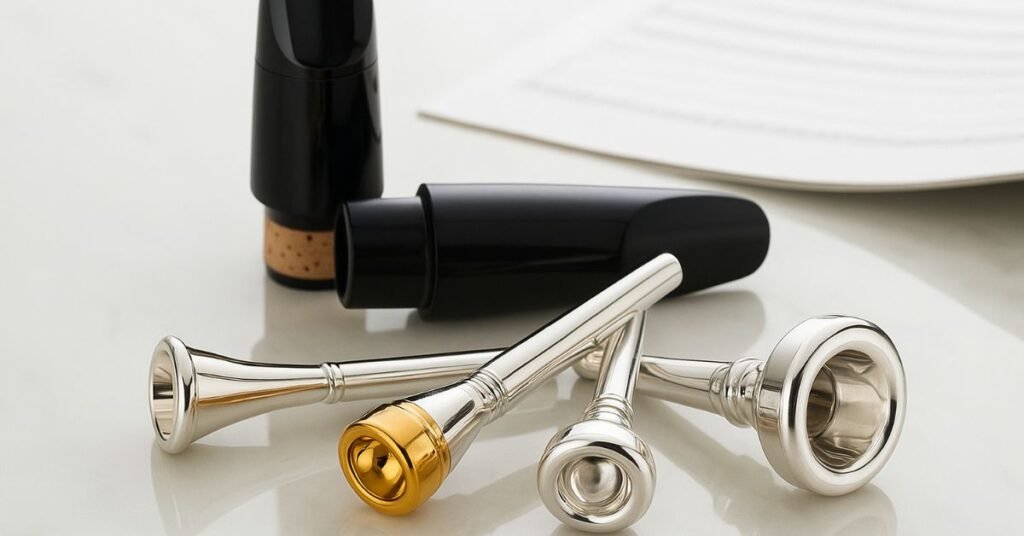
Effective Cleaning Techniques
Regular maintenance of wind instrument mouthpieces is essential to ensure durability and sound quality. For an effective cleaning process, follow a step-by-step guide using the right tools and products.
First, use a mouthpiece brush specifically designed for wind instruments, available at musical instrument stores. These brushes are designed to reach the inner surfaces without damaging the material. Ideally, choose a brush with soft bristles to avoid scratching. Additionally, a microfiber cloth is essential for drying and polishing after cleaning, ensuring there are no water residues that could affect the tone quality.
The use of a cleaning solution is another key step. A mixture of warm water and mild soap is commonly recommended. Apply the solution and gently scrub both the interior and exterior of the mouthpiece using the brush. Avoid harsh chemicals, as they can corrode or wear down the material. After cleaning, rinse thoroughly under running water to remove any soap residue completely.
Certain practices should be avoided during cleaning. Never use metal or abrasive objects, as they can cause irreversible damage. It’s also advisable not to expose the product to extreme temperatures, such as very hot water or direct sunlight for long periods, as this can cause warping.
By following these effective cleaning techniques, musicians can ensure their mouthpieces remain in optimal condition, extending durability and preserving the sound quality of their wind instruments.
Daily Care and Mouthpiece Storage
Maintaining the hygiene and integrity of wind instrument mouthpieces is vital to achieving quality sound and extending their lifespan. A daily care routine should include cleaning after each use, such as rinsing with warm water to remove saliva and residue. This helps prevent the buildup of bacteria and dirt, which can affect tonal clarity.
Another best practice is to use a soft cloth to dry the mouthpiece after rinsing. Harsh chemical cleaners should be avoided, as they can damage both the shape and the material. Additionally, periodic deep cleaning with specialized brushes is beneficial, allowing access to the internal areas. However, this deep cleaning should not be done excessively to avoid unnecessary wear.
Proper storage also plays a crucial role in preserving the quality of the mouthpiece. Using specially designed cases or holders is recommended, as they help maintain the shape and prevent damage. A hard case can protect against impacts, while a holder in a controlled environment minimizes exposure to moisture and temperature fluctuations. Avoid storing in extreme environments, such as direct sunlight or areas with constant humidity.
Ultimately, daily care combined with proper storage ensures a cleaner sound and a more satisfying performance experience. Taking care of the mouthpiece not only preserves the instrument but also enhances the musician’s skill and overall enjoyment.
Signs of Wear and When to Seek Professional Help
Regular maintenance of wind instrument mouthpieces is essential to ensure their longevity and consistent sound quality. Signs of wear may include visible cracks, corrosion spots, or noticeable changes in tone and response during play. These issues often begin subtly but can significantly affect performance over time. Therefore, it’s important to pay attention to any variation in the instrument’s playability — these are early indicators that intervention may be needed.
If you notice that the mouthpiece no longer fits properly into the instrument, or if there’s a change in tone or intonation, it may be time for a more thorough evaluation. Excessive residue buildup or improper fitting that causes air leaks can also signal the need for professional attention.
When seeking the help of a technician, it’s best to do your research before choosing who will care for your instrument. Seek recommendations from experienced musicians or visit reputable music stores in your area. Specialists in mouthpiece repair can accurately diagnose problems and recommend appropriate corrective actions, whether simple cleaning or more complex repairs. During the maintenance process, be sure to clearly communicate your expectations and understand the steps being taken so you can continue to properly care for your instrument and ensure its durability and sound quality for many years to come.
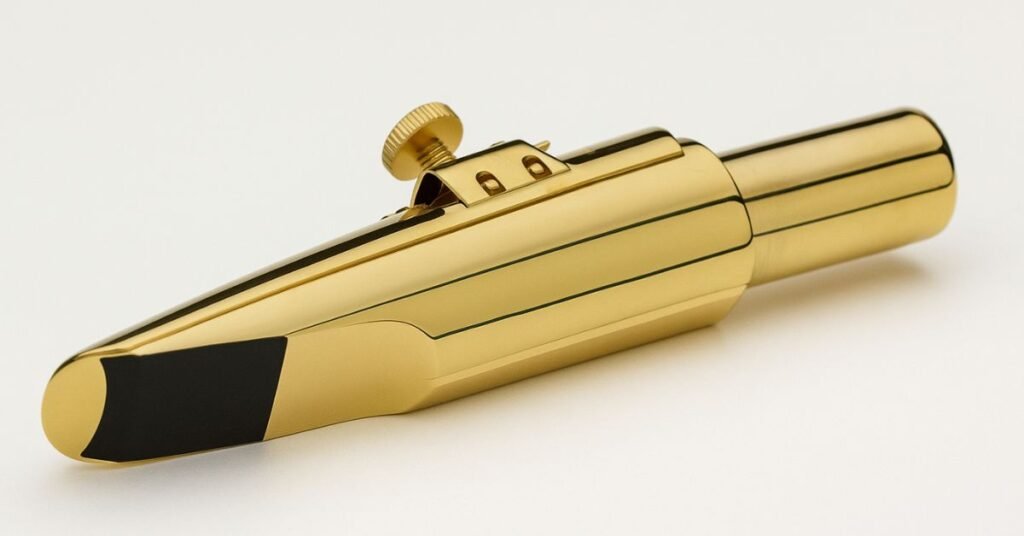
Conclusion
Maintaining wind instrument mouthpieces is not just about preserving equipment; it’s about preserving the soul of your sound. Regular cleaning ensures that the tone remains clear, consistent, and expressive, allowing musicians to perform at their highest potential. When the mouthpiece is well cared for, the instrument responds with precision and warmth, rewarding the player’s discipline and attention to detail.
Beyond technical benefits, proper mouthpiece maintenance builds a deeper connection between the musician and their instrument. Each cleaning session reinforces a sense of responsibility and craftsmanship that elevates musical artistry. A clean, well-maintained mouthpiece also provides peace of mind, eliminating hygiene concerns and letting the musician focus solely on expression and performance.
Ultimately, consistency in care transforms maintenance into a ritual of respect for the music itself. Whether you play professionally or as a hobby, understanding and implementing proper cleaning, storage, and inspection habits ensures that your instrument continues to deliver the rich and vibrant tones that inspire both performer and audience.
Read also: Top 5 essential accessories for wind musicians.
FAQ — Wind Instrument Mouthpiece Care
1. How often should I clean my wind instrument mouthpiece?
Ideally, you should clean your mouthpiece after every use. A deeper cleaning once a week helps remove any buildup that regular rinsing might miss.
2. What is the best cleaning solution for mouthpieces?
A mixture of warm water and mild dish soap is safe and effective. Avoid using alcohol or harsh chemicals that can damage the material.
3. Can I use a toothbrush to clean my mouthpiece?
A toothbrush can be used gently in emergencies, but a mouthpiece brush is specifically designed to reach deeper and prevent scratches.
4. How do I know when my mouthpiece needs professional cleaning or repair?
If you notice cracks, discoloration, or changes in tone quality, it’s time to consult a professional technician for assessment.
5. Is it safe to soak my mouthpiece overnight?
No. Soaking for too long can damage the material. A 10–15 minute soak in warm, soapy water is sufficient.
6. How should I store my mouthpiece?
Store it in a dry, padded case or mouthpiece pouch to prevent dust buildup and protect it from impact or temperature changes.
7. Why does my mouthpiece produce a muffled or airy sound?
This can occur due to residue buildup or moisture trapped inside. Cleaning and drying the mouthpiece thoroughly often resolves the issue.
8. Can professional polishing improve my mouthpiece performance?
Yes — professional polishing can restore shine and smoothness, improving airflow and sound quality, especially for brass instruments.
See also: Making Average Sax Reeds Play INCREDIBLE.