It plays a vital role in both orchestral and popular music, shaping a piece’s rhythm, texture, and emotional impact. Often emphasizing color and atmosphere, popular music relies on percussion to drive the beat and energize the performance. In both contexts, these instruments create a foundation that supports and enhances other musical elements, making them indispensable.
In orchestras, percussion adds depth and nuance, often serving as a tool for shading and highlighting key moments rather than maintaining a constant rhythm. Popular music, on the other hand, frequently uses percussion instruments like drum kits to establish clear and dynamic rhythmic patterns that define the style and feel of a song.
This dual function highlights the versatility and evolving role of percussion. Whether providing subtle reinforcement in a symphony or creating a danceable groove in a band, it remains an essential component that influences the listener’s experience.
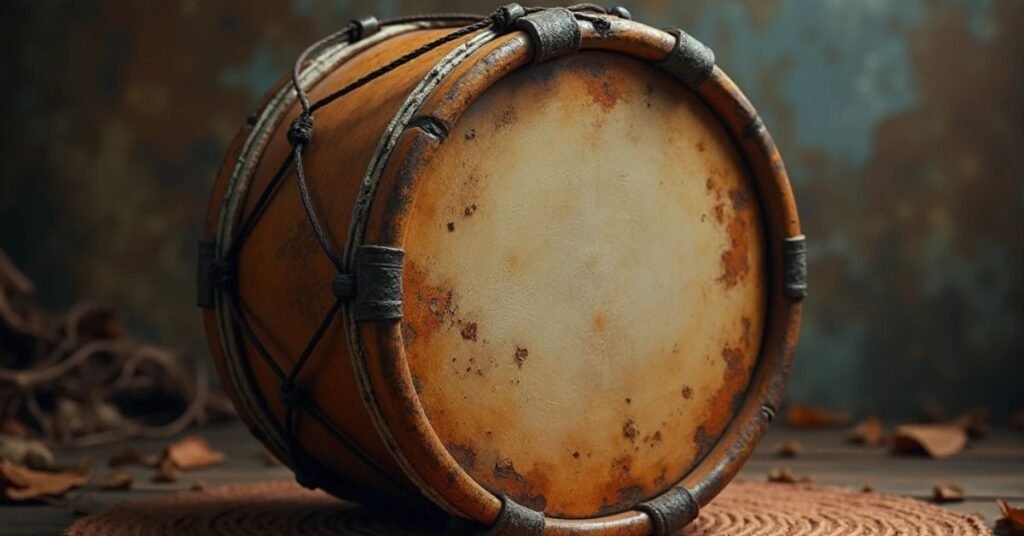
Historical Development of Percussion
These instruments have evolved significantly in their use and complexity, both in orchestral and popular music. Their roles have expanded from simple rhythmic support to integral elements that shape musical texture and expression.
Origins in Orchestral Contexts
Percussion’s orchestral use began with timpani in early Baroque symphonies, primarily supporting harmonic and rhythmic foundations. Throughout the 18th and 19th centuries, composers introduced additional instruments such as cymbals, bass drums, and triangles, meeting the growing demand for color and drama.
By the Romantic era, figures like Berlioz and Mahler expanded percussion sections extensively, employing diverse instruments to evoke specific atmospheres and thematic elements. Technological advances during the Industrial Revolution enabled more precise and varied instruments, increasing their reliability and sound range.
The minimal transition to a broad, expressive palette changed the orchestral texture, allowing percussion to move from background rhythm to a prominent voice alongside strings and woodwinds.
Evolution in Popular Music
In popular music, this type of instrument evolved from simple drum rhythms to complex patterns and production techniques. Early forms like jazz and blues emphasized drums and hand percussion to create groove and momentum.
With the advent of rock and electronic genres, drums and synthesized sounds became central, shaping rhythmic complexity and accessibility. Percussionists often blend acoustic and electronic instruments, expanding timbral possibilities.
Percussion’s role in popular music emphasizes rhythm as a foundational element, supporting danceability and emotional impact, often driving a song’s energy and arrangement.
Influence of Cultural Traditions
These instruments reflect a variety of cultural origins and practices, influencing their incorporation into orchestral and popular contexts. African percussion traditions, with their polyrhythms and communal performances, have had a particular impact on popular musical styles worldwide.
Asian, Latin American, and Indigenous percussion practices contribute unique instruments and rhythmic patterns that enrich global music. These influences promote rhythmic diversity and innovation in contemporary compositions.
Cultural percussion forms often carry ritualistic and communicative functions, embedding deep social significance in the instruments’ sounds and uses across musical genres.
| Cultural Influence | Characteristics | Impact on Music |
|---|---|---|
| African | Polyrhythms, hand drums | Foundation for jazz, blues, popular |
| Latin American | Congas, bongos, claves | Integration into jazz, pop, dance |
| Asian | Gongs, tablas, rhythmic cycles | Texture and timbre in classical & fusion |
| Indigenous | Frame drums, rattles | Ritual and ceremonial soundscapes |
The Function of Percussion in Orchestral Music
In orchestral music, it performs multiple precise functions, from establishing fundamental rhythms to enriching the overall soundscape. It impacts the rhythm, mood, and sonic character of the music, often shaping crucial moments within a composition.
Defining Rhythm and Tempo
These instruments primarily establish and maintain rhythm and tempo in an orchestra. Instruments like the timpani and snare drum provide clear rhythmic patterns that guide the ensemble’s tempo. This ensures cohesion between the orchestra’s different sections.
Unlike popular music, where drums often drive the rhythm, in orchestral music, percussion sometimes plays a supporting rhythmic role. However, its precision helps maintain complex time signatures and fluid, clear tempo changes.
Percussion sets the pulse that underpins the orchestra, enabling other instruments to focus on melody and harmony without losing rhythmic integrity.
Enhancing Dramatic Impact
It contributes significantly to the dramatic dynamics of orchestral music. Sudden timpani rolls or bass drum strikes intensify climactic moments. These sounds heighten tension and emphasize key passages.
Percussion can also create suspense or surprise, lending theatrical qualities to the music. Composers use sharp attacks from cymbals or timpani to underline emotional intensity without overwhelming other instruments.
Its strategic use shapes the emotional trajectory of the music, guiding the listener’s response throughout the performance.
Color and Texture in Orchestration
Beyond rhythm and drama, percussion adds color and texture to orchestral sound. Instruments like the triangle, marimba, and tambourine provide unique timbres that diversify the orchestra’s tonal palette.
Percussion colors enhance the mood and imagery in music. For example, soft cymbal swells can evoke shimmering effects, while woodblocks provide distinct, dry accents.
This variety of sounds helps composers paint precise atmospheres, making it an essential tool for textural complexity and sonic contrast in orchestral scores.
Percussion in Popular Music Genres
These instruments provide essential rhythmic structure and texture to popular music. They set the pulse and enhance the emotional impact of songs through varied techniques and styles.
Establishing Groove and Drive
In genres like rock, funk, and pop, percussion sets the groove—the rhythmic foundation that drives a song forward. The drum kit, with its kick drum, snare, and hi-hats, creates steady patterns that emphasize downbeats and syncopation.
This rhythmic backbone is crucial for danceability and listener engagement. Percussive elements like congas, bongos, or electronic drum pads often supplement these patterns, adding layers and complexity. The groove locks all instruments in coordinated timing, creating momentum and energy essential to the style.
Genre-Specific Percussive Techniques
Different popular music genres use percussion uniquely to shape their signature sound. For example:
- Funk uses ghost notes and intricate syncopated patterns on the snare and hi-hat to create a tight, rhythmic feel.
- Reggae emphasizes the offbeat with rim shots and cross-stick techniques.
- Hip-hop relies heavily on programmed drum machines and sampled drum breaks, emphasizing heavy bass kicks and sharp snares.
These genre-specific approaches highlight percussion as a tool for cultural and stylistic identity, beyond just keeping time.
Fusion and Cross-Genre Influences
Modern popular music often blends elements from various genres, resulting in a fusion of styles featuring these instruments. Artists incorporate Latin percussion instruments, such as timbales and cajón, into pop or rock songs to broaden their rhythmic palette.
Electronic percussion and digital effects are frequently combined with traditional drums, creating hybrid sounds in genres like EDM and hip-hop. This blending reflects greater experimentation, allowing percussionists to explore diverse textures and rhythms while maintaining a strong, clear beat.
Impact and Innovation of Percussion
It drives constant change in both technology and artistic application. It shapes new sounds and adapts to modern contexts, influencing performance and production across all musical styles.
Technological Advancements in Percussion
Electronic drum kits and digital sampling have expanded the sonic possibilities for percussionists. These technologies allow for customizable sounds that were previously impossible with acoustic instruments.
Innovations in electronic interfaces enable percussionists to trigger complex sequences and effects in real time. This has transformed percussion from purely rhythmic support into a versatile melodic and textural component.
Additionally, advances in microphone design and amplification enhance the clarity and presence of subtle percussion sounds in live and recorded settings. This enables intricate details to be more audible in orchestral and popular music.
Modern Percussion Trends
Contemporary composers and producers are increasingly incorporating found objects and instruments from around the world. This trend broadens the palette of rhythmic and timbral options.
In popular music, drum machines and hybrid acoustic-electronic kits are used extensively to create consistent and innovative beats. This practice bridges live performance energy with precise studio production.
Percussionists also explore extended techniques such as bowing cymbals or using mallets on unconventional surfaces. Such methods add unique textures that enhance narrative and emotive expression in compositions.
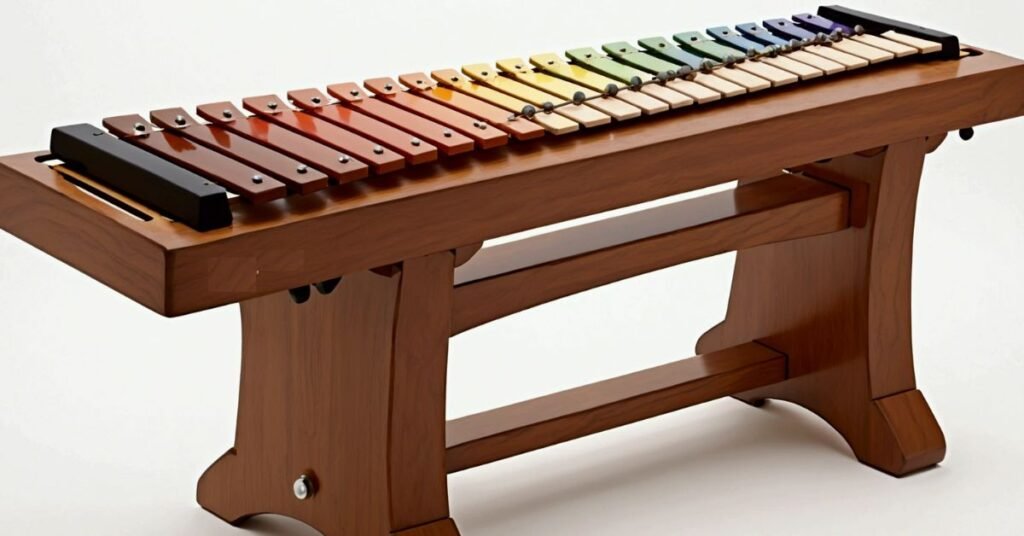
Percussion in Multimedia and Live Performance
It plays a crucial role in film, video game, and theater soundtracks, where it contributes to dramatic tension and pacing. The ability to produce dynamic and diverse sounds significantly contributes to these media.
Live performances often integrate synchronized lighting and visual effects controlled by percussion triggers. This synergy creates immersive experiences that deepen audience engagement.
Ensembles of these instruments regularly perform as soloists and in collaboration with other musicians, demonstrating their versatility. Their presence in multimedia contexts highlights the growing cultural and artistic relevance of percussion.
Conclusion
Percussion remains one of the most versatile and impactful elements of orchestral and popular music. From its historical roots in classical symphonies to its central role in modern genres like rock, funk, and hip-hop, it has continually evolved, shaping rhythm, energy, and emotional expression. Its ability to support and drive the music makes it indispensable in a variety of musical contexts.
In orchestras, its role brings color, texture, and dramatic power, guiding the emotional trajectory of compositions and enhancing the overall sonic landscape. In popular music, it provides the driving groove and rhythmic identity that connect performers to audiences, creating music that is not just heard, but felt. This dual role highlights percussion’s unique position as both a foundation and a creative force.
As technology advances and global influences expand, it continues to push boundaries, combining traditional instruments with electronic innovation and cultural diversity. Its ever-evolving nature ensures it remains at the center of music creation, connecting past traditions with future possibilities and enriching the musical experience for performers and listeners alike.
Read Also Drums How to Assemble Your First One.
FAQ – The Role of Percussion in Orchestral and Popular Music
1. Why is it important in music?
It provides rhythm, energy, and emotional impact. It can set the pace in popular music or add dramatic color and texture in orchestral settings.
2. What are the main percussion instruments in an orchestra?
The most common orchestral instruments include timpani, snare drum, bass drum, cymbals, triangle, tambourine, xylophone, and marimba.
3. How does percussion differ between orchestral and popular music?
In orchestral music, it usually emphasizes atmosphere and dramatic effects, while in popular music it drives the rhythm and defines the style of the music.
4. What is your role in cultural traditions?
It reflects cultural identity through unique rhythms and instruments. African, Latin American, Asian, and Indigenous traditions have influenced global music.
5. How has technology changed these types of instruments?
Electronic drum kits, drum machines, and digital sampling have expanded the possibilities for percussion, allowing musicians to create hybrid sounds that combine acoustic and electronic elements.
6. Can these instruments play melodies or just rhythm?
Although often associated with rhythm, instruments such as marimba, vibraphone, and xylophone can also play melodic lines and harmonies.
7. What genres rely most on percussion?
Genres like rock, hip-hop, funk, EDM, jazz, and Latin music rely heavily on groove, energy, and audience engagement.
8. How can beginners start learning these types of instruments?
Beginners should start with basic rhythm exercises on simple instruments like a snare drum, practice steady timing with a metronome, and gradually explore more complex techniques and instruments.