Wind musicians rely on specific accessories to improve their playing experience and protect their instruments. Without the right tools, performance quality and instrument longevity can suffer. The top five essential accessories every wind player needs include a tuner, metronome, reeds (or equivalent mouthpieces), a sturdy case, and an instrument stand.
These items help musicians maintain accurate tuning, develop timing skills, and ensure their instrument stays safe during transport and practice. Whether beginner or professional, having these essentials supports consistent practice and better sound quality. Understanding their roles equips wind players to focus on their craft with confidence and ease.
Must-Have Cases and Gig Bags
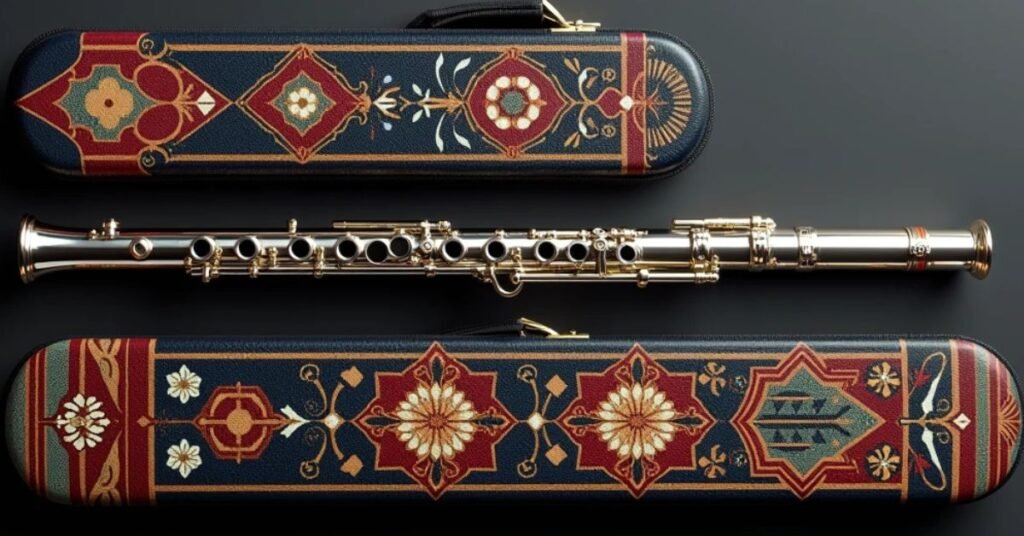
The right case or gig bag protects the instrument during transport and offers convenience. Factors like durability, weight, and storage options influence the choice. Without proper protection, wind instruments can easily suffer dents, scratches, or moisture damage — all of which affect tone and mechanical function.
Choosing Protective Cases
Protective cases provide solid defense against impacts and environmental changes. Hard cases usually offer the most security, with rigid exteriors that withstand strong pressure and accidental drops.
Many hard cases feature plush interiors to prevent scratches and absorb shock. They often have locking latches for extra safety, ensuring instruments remain secure while traveling.
Musicians traveling frequently or performing outdoors may prefer cases with water resistance and weatherproof seals. Some premium models even include humidity control systems to maintain optimal conditions inside the case, especially useful for wooden instruments like clarinets, oboes, and bassoons.
Selecting Lightweight Gig Bags
Lightweight gig bags prioritize portability and comfort for daily use. They are typically made of durable nylon or polyester with thick padding to protect the instrument while reducing weight.
Storage compartments are essential in gig bags for carrying reeds, cleaning kits, and sheet music. Adjustable straps and ergonomic handles improve transport ease, making them ideal for students and city commuters.
Though gig bags provide less impact protection than hard cases, their weight and flexibility suit urban and casual transport scenarios. For quick rehearsals or local gigs, they offer a practical and efficient solution without compromising too much on safety.
Essential Maintenance Tools
Maintaining wind instruments requires specific tools and products to ensure they stay in proper condition and perform well. Attention to cleaning, lubrication, and tuning helps prevent long-term damage and keeps the instrument responsive and reliable.
Proper Cleaning and Swabbing
Cleaning is crucial for removing moisture, residue, and debris from inside the instrument. Using a correctly sized swab designed for the specific instrument type ensures thorough moisture absorption after playing. Materials such as microfiber or cotton are common for swabs due to their absorbency and softness.
Regular cleaning prevents buildup that can affect tone quality and cause corrosion. Mouthpiece brushes and small cleaning rods help remove dirt from narrow passages and tight areas. Musicians should clean their instruments after every session to protect pads and metal surfaces.
Additionally, disassembling the instrument after playing allows air circulation, preventing mold or unpleasant odors. Proper drying and storage extend the life of corks, pads, and joints, which are highly sensitive to moisture.
Lubrication Products for Valves and Slides
Lubrication reduces friction on moving parts like valves, slides, and keys. Valve oil is essential for brass instruments, providing smooth valve action and preventing sticking. For woodwind instruments or those with slides, applying cork grease or slide grease ensures smooth movement and proper sealing.
It is important to use the right type of lubricant for the specific part and instrument. Over-lubricating or using inappropriate products can cause buildup and damage pads or metal components. Regular application maintains smooth playability and extends part lifespan.
Professional musicians often keep multiple types of lubricants in their kits — lighter oils for fast valves, heavier ones for older instruments, and silicone-based greases for temperature-resistant sealing.
Tuning and Adjustment Tools
Accurate tuning and mechanical adjustments keep the instrument balanced in tone and function. A portable tuner is vital for precise pitch control during practice and performance. Screwdrivers and small adjustment tools allow musicians to tighten loose screws, adjust key height, and modify bridges or posts where applicable.
Having these tools on hand enables quick repairs and fine-tuning without needing professional servicing for minor issues. Proper adjustment improves sound quality and instrument stability over time.
In addition, using a metronome — whether digital or app-based — helps maintain rhythm accuracy. Developing timing precision is crucial for ensemble performance and solo practice alike. Many tuners and metronomes are now combined into one compact device, making them convenient for musicians on the go.
Reeds, Mouthpieces, and Accessories for Tone Control
For woodwind players, reeds are the heart of the sound. The type, cut, and strength of a reed influence tone, response, and projection. Beginners should start with softer reeds for easier control, while advanced players often prefer stiffer reeds for richer tone and dynamic flexibility.
Proper reed maintenance includes rotating multiple reeds, storing them in ventilated cases, and using reed conditioners or humidifiers to prevent cracking. Investing in high-quality reeds and caring for them properly ensures consistent performance.
Similarly, mouthpieces play a crucial role for both woodwind and brass instruments. Cleaning them regularly with warm water and mild soap prevents bacterial buildup. Some players also experiment with different mouthpiece designs and materials to personalize their tone.
Instrument Stands and Practice Accessories
Instrument stands offer stability and convenience during practice sessions and performances. Instead of resting the instrument on unsafe surfaces, a sturdy stand prevents accidents and makes transitions smoother.
Adjustable stands designed for specific instrument types (like trumpet, flute, or saxophone) ensure proper fit and support. Many are foldable for portability, making them perfect for rehearsals or gigs.
Other useful accessories include music stands, pencil clips, and small lights for low-visibility stages. Even simple additions like these can improve comfort, focus, and efficiency during long practice sessions.
Conclusion
Having the right accessories is not just about convenience — it’s about performance, protection, and progress. From durable cases that safeguard valuable instruments to maintenance tools that preserve tone quality, each item contributes to a musician’s success and confidence.
Regular cleaning, proper lubrication, and the use of reliable tuners and metronomes ensure that instruments perform at their best every time. Accessories like reeds, mouthpieces, and stands allow players to personalize their sound while maintaining professional standards.
Ultimately, wind musicians who invest in quality gear enjoy smoother practice routines, fewer technical problems, and greater focus on artistic expression. Consistent care and thoughtful equipment choices form the foundation of a lasting and rewarding musical journey.
Read also: Trumpet and Cornet Which One to Choose for Your Musical Style.
FAQ – Essential Accessories for Wind Musicians
1. Why are accessories important for wind musicians?
Accessories help musicians improve performance, protect their instruments, and maintain consistent sound quality. They also make practice sessions more efficient and comfortable, especially for long-term use.
2. What type of case should I buy for my wind instrument?
It depends on your needs. A hard case offers maximum protection for travel and outdoor gigs, while a lightweight gig bag is perfect for daily transport and short commutes.
3. How often should I clean my instrument?
Ideally, you should swab and dry your instrument after every practice session. A deeper cleaning is recommended weekly or biweekly to prevent buildup and keep pads, corks, and valves in good condition.
4. Can I use the same lubricant for all parts of my instrument?
No. Each part requires a specific type of lubricant. For example, use valve oil for brass valves, cork grease for woodwind joints, and slide grease for trombone slides.
5. How do I maintain my reeds for longer use?
Rotate several reeds, store them in a ventilated case, and keep them slightly humidified. Avoid leaving reeds on the mouthpiece when not in use to prevent warping.
6. What is the best tuner for wind musicians?
A clip-on tuner or digital chromatic tuner works well for most wind instruments. Some models combine a tuner and metronome in one device for added convenience.
7. Why should I use an instrument stand?
Stands protect your instrument from accidental falls and damage during practice or breaks. They also allow easy access between pieces and performances.
8. How can accessories improve my overall performance?
The right accessories reduce stress on the instrument, support proper technique, and enhance sound consistency. They allow musicians to focus more on musicality rather than technical or maintenance issues.
See also: The Essential Accessories That Every String Musician Needs.