Wind instruments are central to the sound and character of bands, shaping the genre’s distinct voice. Among these, the saxophone, trumpet, trombone, and clarinet are the most commonly used, each bringing its own timbre and expressive potential to the music. These instruments form the core of the jazz wind section and are essential for delivering the genre’s dynamic and improvisational qualities.
The saxophone is a versatile staple, with several types like alto, tenor, and baritone contributing different ranges and colors. Trumpets and trombones provide the brass section’s powerful and bright tones, balancing the woodwinds. Clarinet, though less common today, carries a rich history in jazz and adds a unique woodwind texture.
Musicians often use these instruments to mimic vocal expressions, allowing for deep emotional connection through solos and ensemble play. Their role goes beyond just melody; they create texture, rhythm, and energy that define jazz’s improvisational spirit.
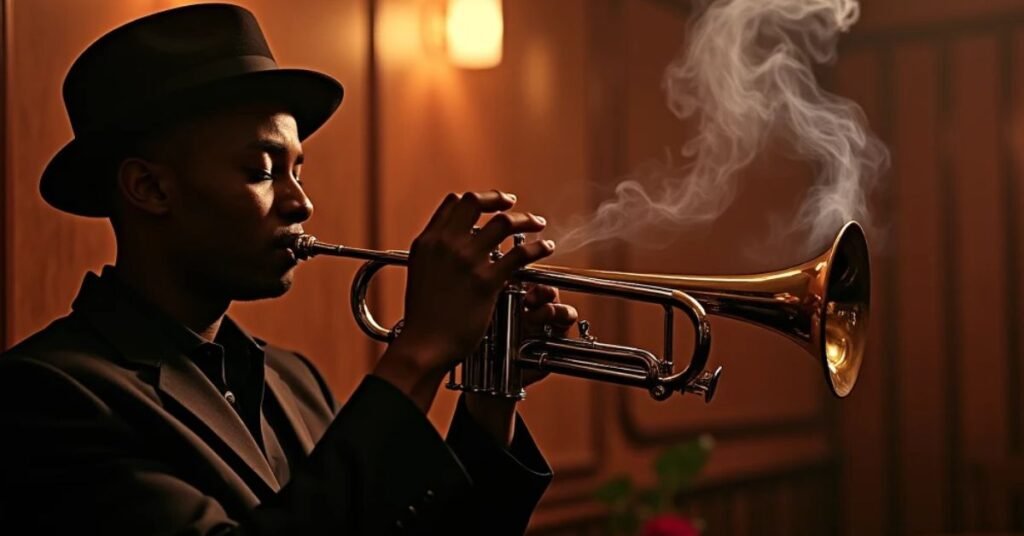
Overview of Wind Instruments in Jazz Bands
Wind instruments are essential to the sound and structure these bands. They provide melodic leads, harmonic support, and unique tonal colors that define the genre’s character. Their roles have shifted over time as jazz itself has evolved.
Role of Wind Instruments in Jazz
Wind instruments primarily serve as lead voices and harmonic complements. Saxophones (alto, tenor, baritone) usually carry melodies and solos due to their expressive range and tonal flexibility. Trumpets and trombones often contribute bright, punchy accents and counter melodies in ensembles.
In the rhythm section, wind instruments interact dynamically with percussion, bass, and piano to shape the groove. Their ability to vary timbre through extended techniques adds emotional depth. Clarinets and flutes, though less common, provide softer textures and occasional solos, expanding tonal variety.
Evolution of Instrumentation
Jazz wind instrumentation has changed significantly since the early 20th century.In the past, this musical style favored the cornet, clarinet, and trombone, aligning with the New Orleans style. The rise of swing and big bands introduced more saxophones, standardizing alto and tenor saxophones in front lines.
Post-bebop, experimentation increased, incorporating flutes and even rarer wind instruments. Brass and reeds adapted to new harmonic complexities and faster tempos. Today’s jazz ensembles continue blending traditional wind instruments with modern influences, maintaining a balance between classic sounds and innovation.
Characteristics of Jazz Wind Sections
Wind sections are characterized by their versatility and interaction. Each instrument has a distinct timbre suited for specific roles—saxophones possess a warm, singing tone, while trumpets carry a bright, piercing sound. Trombones offer smooth glissandos and powerful blasts.
Players use techniques such as bends, growls, and vibrato to express emotion. Arrangements often layer wind parts in harmonized lines or call-and-response patterns. This interaction creates the characteristic polyphonic texture and spontaneous improvisational space that are vital to this musical style.
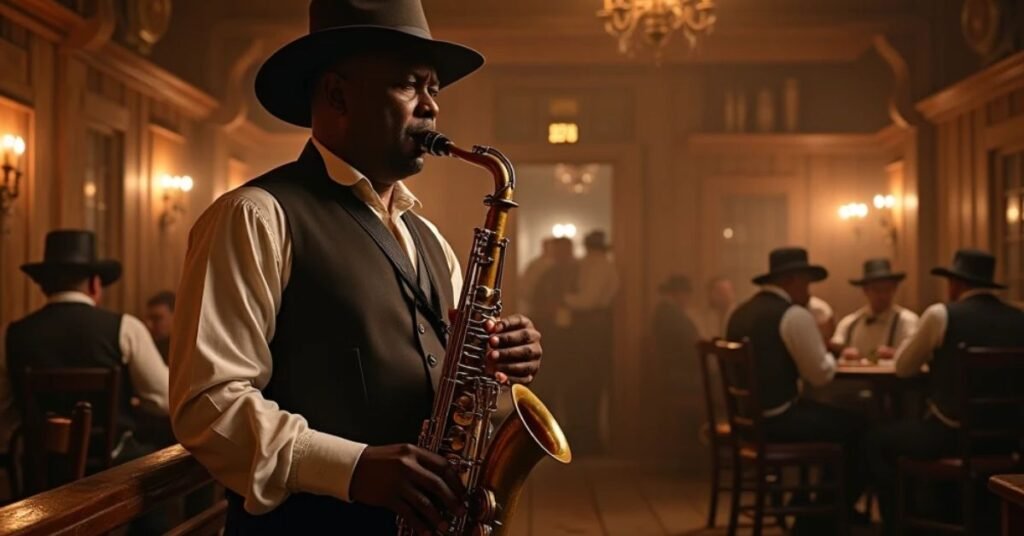
Saxophones: Cornerstones of the Jazz Band
Saxophones are essential to jazz bands, offering a range of sounds from bright leads to deep, rich tones. Their versatility and expressiveness make them key for both melody and improvisation. Different types of saxophones provide distinct voices, fitting various roles within ensembles.
Alto Saxophone in Jazz
The alto saxophone is widely regarded as the most common saxophone in jazz. It plays in the key of E♭ and produces a bright, warm tone that blends well with other instruments. Its size and sound make it especially suitable for melodies and improvisation in both big bands and smaller combos.
Musicians of this style of music prefer the alto saxophone for its agility and clarity. It often serves as the lead voice in arrangements because of its wide range and expressive capacity. Players like Charlie Parker popularized its sound, shaping much of modern jazz.
Tenor Saxophone’s Popularity
The tenor saxophone is the most frequently used saxophone size in jazz. It is pitched in B♭ and known for its rich, full-bodied tone. The tenor’s sound is deeper than the alto’s but still flexible enough for melodic lines and solos.
Muitos músicos famosos, incluindo John Coltrane e Lester Young, ajudaram a estabelecer o papel do tenor no jazz. Its versatility allows it to fit well in swing, bebop, and modern styles. The tenor saxophone’s sound often carries emotional weight, making it a favorite for expressive solos.
Baritone Saxophone’s Deep Tones
The baritone saxophone is the largest saxophone commonly used in these bands. Also pitched in E♭, it produces a deep, resonant tone that supports the harmony and rhythm sections. It adds fullness and depth with its lower register.
While less common than alto or tenor saxophones, the baritone still plays an important role. It often provides bass lines or countermelodies, complementing the brass and rhythm instruments. Notable baritone saxophonists like Gerry Mulligan showcased its capacity for lyrical and rhythmic complexity.
Soprano Saxophone Influences
The soprano saxophone is the smallest and highest-pitched saxophone frequently used. Also in B♭, it produces a bright, penetrating sound that cuts through an ensemble. Though less common, it has a distinctive voice prized for solo work.
Its use became prominent through artists such as Sidney Bechet and later John Coltrane. The soprano saxophone’s tone is sharp and expressive, often adding unique colors compositions. It fits well in both traditional and modern jazz settings, emphasizing lyrical phrasing.
Brass Instruments in Jazz Ensembles
Wind instruments contribute unique tones and textures, essential to this type of ensemble. Their roles range from leading melodies to adding harmonic depth and rhythmic drive.
Trumpet’s Signature Sound
The trumpet is the most prominent brass instrument in jazz, known for its bright, piercing tone and wide expressive range. It often carries the main melodic line or takes solos that highlight its agility and power.
Trumpeters use techniques such as muted effects and varied articulations to add character. The instrument’s ability to cut through a full band makes it indispensable in big bands and small combos alike.
Famous trumpeters such as Louis Armstrong and Miles Davis helped define the instrument’s role. Their innovations showcase the trumpet’s flexibility from smooth, lyrical playing to sharp, rhythmic bursts.
Trombone in Jazz Arrangements
The trombone provides a rich, warm tone that balances the brighter sound of the trumpet. It often plays harmonies, fills, and counter-melodies, adding depth to the horn section.
Its slide mechanism allows for unique glissandos and pitch bending, which bring emotional expressiveness to solos and ensemble parts. The trombone’s voice ranges from mellow to powerful, fitting various styles.
Trombonists like J.J. Johnson developed technical mastery and complex improvisations, elevating the instrument’s presence. The trombone’s versatility supports both rhythmically intricate passages and broad, melodic phrases.
Cornet’s Historical Importance
The cornet closely resembles the trumpet but produces a slightly softer and rounder sound. It was especially significant in early jazz, particularly in New Orleans jazz bands of the 1920s.
Cornet players provided a more lyrical and warm tone during the genre’s formative years, shaping the sound of ensemble front lines. It was favored for its smoother playing quality and ease in melodic phrasing.
Legendary musicians such as Buddy Bolden and King Oliver popularized the cornet, influencing the style and tone behind later trumpet performances. Although less common today, the cornet remains a symbol of jazz’s origins.
Less Common and Emerging Wind Instruments in Jazz
Some wind instruments have unique roles beyond the usual saxophone and trumpet. These instruments have shaped history or found new relevance through modern jazz experimentation and fusion.
Clarinet’s Legacy in Jazz
The clarinet was a staple in early jazz, especially in New Orleans and swing bands. Its warm, expressive tone contributed to the sound of traditional and Dixieland.
Though less common in modern jazz, clarinet still appears in some contemporary settings, notably in klezmer-influenced jazz and revivalist groups. Players like Benny Goodman and Artie Shaw helped popularize the instrument in the swing era.
While overshadowed by saxophones today, the clarinet’s flexibility for both smooth melodies and fast, intricate runs keeps it relevant in certain subgenres.
Flute’s Modern Usage
The flute is relatively rare in classic jazz but has grown in popularity, particularly in fusion, Latin, and avant-garde styles. Its lighter, airy tone contrasts with heavier brass instruments.
Jazz flutists like Herbie Mann and Hubert Laws integrated it into mainstream jazz during the 1960s and ’70s. The flute allows for expressive solo work and adds unique color to ensemble arrangements.
Players often explore extended techniques like flutter-tonguing and overblowing, making the flute a versatile and creative voice in modern.
Oboe and Other Unique Additions
The oboe remains one of the least common wind instruments due to its distinct timbre and technical demands. It is occasionally used by experimental artists seeking unusual sounds.
Other rare wind instruments in jaz include the bassoon, English horn, and less conventional choices like the nose flute or bagpipe, usually featured in avant-garde or world fusion contexts.
These instruments contribute unconventional textures, expanding the sonic palette beyond traditional jazz norms and emphasizing innovation within the genre.
Conclusion
Wind instruments are at the heart of jazz, shaping its voice, energy, and unmistakable style. From the soulful sound of the saxophone to the bright power of the trumpet, the smooth resonance of the trombone, and the historic charm of the clarinet, these instruments define the genre’s character and evolution.
Their versatility allows them to lead with expressive solos, enrich harmonies, and create the rhythmic interplay that drives jazz forward. Each instrument contributes not only its unique timbre but also its ability to capture emotion, mimic the human voice, and enhance the improvisational spirit that jazz is built upon.
As jazz continues to evolve, the role of wind instruments remains both foundational and innovative. Whether preserving traditional sounds or exploring new creative horizons, they ensure that jazz remains a vibrant and ever-evolving art form, connecting past legacies with future possibilities.
Read also about How to Keep Your Saxophone in Perfect Condition.
FAQ – Wind Instruments in Jazz
1. What are the main wind instruments used in jazz?
The most common wind instruments are the saxophone, trumpet, trombone, and clarinet. Each contributes a unique sound that helps define this type of style music.
2. Why is the saxophone so popular in jazz?
The saxophone is versatile, expressive, and capable of producing a wide range of tones. Its ability to convey both smooth melodies and energetic solos makes it a favorite.
3. How does the trumpet influence jazz music?
The trumpet brings brightness, power, and excitement. It is often used for solos and is associated with legendary players like Louis Armstrong and Miles Davis.
4. What role does the trombone play in jazz bands?
The trombone adds depth and richness to ensembles. Its sliding technique allows for unique effects, glissandos, and a warm, resonant sound.
5. Is the clarinet still important to this style of music today?
Yes. While more prominent in early jazz and swing, the clarinet is still valued for its smooth and lyrical sound. It continues to appear in traditional styles.
6. Do jazz musicians improvise with wind instruments?
Absolutely. Improvisation is a core element, and wind instruments are especially suited for expressive, spontaneous solos.
7. Are wind instruments used in both big bands and small groups?
Yes. In big bands, they often play harmonies and sections together, while in smaller groups, they are more likely to take the lead with solos.
8. Can beginners learn jazz with wind instruments?
Yes, but it requires practice. Starting with basic techniques, such as breath control and finger placement, helps beginners progress toward improvisation and performance.