The choice between these instruments often comes down to the musician’s desired sound and the musical context. Both are brass instruments with similar fingerings, but they differ in size, shape, and tonal quality. The trumpet delivers a bright, piercing sound suited for orchestras and jazz, while the cornet offers a warmer, mellower tone often favored in brass bands and certain solo work.
The physical differences also influence playability. The cornet is smaller with a conical bore, making its sound softer and rounder, whereas the trumpet’s cylindrical bore gives it a more direct and powerful projection. Mouthpieces differ slightly as well, affecting comfort and tone.
Understanding these distinctions helps players select the instrument that matches their style and needs. Whether aiming for brilliance or warmth, knowing the key traits of each can guide the right choice.
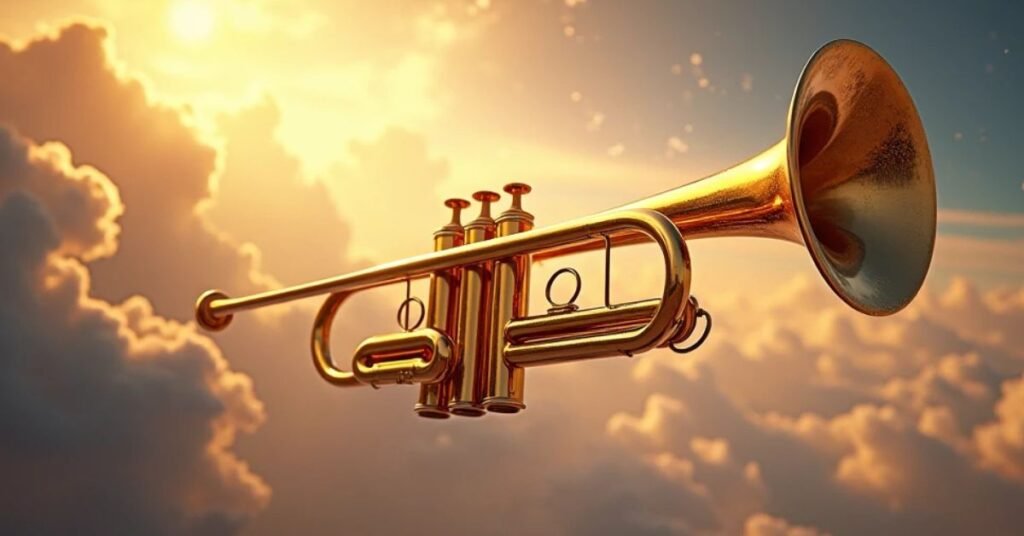
Core Differences Between Trumpet and Cornet
They differ primarily in sound, structure, and historical use. Each instrument offers unique qualities that influence a musician’s choice based on style and context. Understanding these fundamental differences helps clarify their roles in various musical contexts.
Sound Characteristics
The cornet produces a warmer, softer tone due to its conical bore, which gradually widens from the mouthpiece to the bell. This design results in a mellow, rounded sound often preferred in brass bands and jazz ensembles.
In contrast, the trumpet features a more cylindrical bore with tubing that maintains a consistent diameter. This creates a brighter, more piercing tone that carries well in orchestras and marching bands. The sound is higher-pitched and has more clarity, suitable for melodic and fanfare passages.
Players notice that the cornet’s sound blends easily with other instruments, while the trumpet’s tone stands out more prominently, affecting their role in an ensemble.
Physical Appearance and Structure
The trumpet is longer with a more angular shape, featuring tighter bends, especially in the lead pipe. Its tubing runs mostly straight, contributing to its bright tone and projection.
The cornet is smaller and more compact with a rounded, coiled design. Its tubing gradually widens, giving it a softer feel and influencing its sound quality. The mouthpiece is generally deeper and more conical compared to the trumpet.
Differences in bore shape — cylindrical for trumpet and conical for cornet — directly impact how the instruments feel when played and how sound resonates within each.
Historical Development
The cornet emerged in the 19th century as an evolution of the post horn and quickly became popular in brass and military bands due to its mellow sound and ease of blending.
The trumpet has ancient origins but developed into its modern form by the late 19th and early 20th centuries. It gained prominence in classical orchestras and later in jazz for its brighter, more assertive tone.
Both instruments have influenced each other through design innovations. However, their distinct historical roles created preferences for specific musical genres and ensemble types.
Playing Experience and Performance Versatility
Choosing between a trumpet and cornet can shape a player’s technique, preferred musical styles, and ease of learning. Each instrument offers distinct characteristics that impact performance, ensemble roles, and skill development.
Technique and Ease of Play
The cornet’s compact size and conical bore create a warmer, mellower tone, often allowing smoother note transitions and easier control in softer dynamics. This design can make it feel more comfortable for some players, especially when performing lyrical or mixed passages.
The trumpet, with its cylindrical bore and longer tubing, produces a brighter, more piercing sound that demands precise breath control and embouchure strength. It often requires more effort to maintain clarity in higher registers but excels at bold, projecting passages.
Both instruments have three valves and similar fingerings, so technical skills transfer easily between them. However, adapting intonation and tone quality to each instrument’s unique sound profile can require focused practice.
Typical Genres and Ensemble Usage
The cornet is commonly found in brass bands, concert bands, and traditional marching bands, where its softer tone blends well with other brass and woodwinds. It is favored in settings emphasizing lyrical phrasing and smooth melodic lines.
The trumpet is a staple in orchestras, jazz ensembles, and contemporary bands. Its bright, clear voice suits rapid passages, fanfares, and solos that demand cutting through thicker textures.
Some genres, like jazz, allow flexible use of either instrument, but orchestral and brass band traditions usually dictate the choice. The trumpet’s dynamic range and projection make it more versatile for large ensembles.
Learning Curve for Beginners
Beginners may find the cornet easier to handle initially because of its smaller size and mellower resistance. This can promote more relaxed breathing and tone development early on, aiding beginner motivation and confidence.
The trumpet may require stronger breath support and embouchure conditioning from the start due to its brighter, more focused sound. However, its widespread use means there are ample learning resources and teaching methods available.
Because the fingerings are the same, transitioning from one instrument to the other is straightforward. Teachers often recommend starting with the cornet for younger or smaller players, then moving to the trumpet for broader repertoire options later.
Factors to Consider When Choosing Between Trumpet and Cornet
Choosing between the two involves several practical considerations. These include how the instrument aligns with the player’s musical intentions, the budget and availability of quality instruments, and how the choice might affect long-term development.
Your Musical Goals
The intended style and setting significantly influence the best choice. The trumpet’s brighter, more penetrating sound suits genres like classical, jazz, and marching bands where clarity and projection matter. The cornet’s warmer, mellower tone fits well with brass bands and certain orchestral or ensemble contexts.
Players focused on solo work or needing a distinct tone often prefer the trumpet. Those aiming for smooth blending in group settings or brass band repertoire may find the cornet a better match. Physical comfort and handling also come into play, as the cornet’s smaller size and rounder shape can feel easier to hold for younger or smaller players.
Budget and Instrument Availability
The pricing range for trumpets and cornets overlaps but varies depending on brand, model, and quality. Trumpets tend to be more widely available across beginner to professional levels. This wide market access can make finding an instrument that fits a specific budget easier.
Cornets may be less common in some regions, affecting both selection and aftermarket support. This may impact maintenance costs or ease of finding replacement parts. Both instruments require investments in accessories like mouthpieces and cases, which should be factored into the total cost.
Long-Term Growth and Progression
Considering future development is critical. The trumpet offers versatility and is standard in many musical ensembles, providing broader opportunities over time. Its playing technique also builds skills transferable to other brass instruments.
A cornet can be a solid introduction to brass playing, especially for those in brass band traditions. However, transitioning between cornet and trumpet later is generally smooth due to similar fingerings and key systems. Players focused on expanding to diverse musical environments might lean toward the trumpet for its adaptability.
Conclusion
The choice between these two instruments ultimately depends on your musical goals, tonal preferences, and the environment in which you plan to perform. While both instruments share similar fingerings and fundamental techniques, their tonal differences make them suited for distinct musical roles. The trumpet’s bright, commanding sound is ideal for players seeking projection and brilliance, whereas the cornet’s warm, rounded tone appeals to those who prefer lyrical and blended performances.
Beyond tone, the physical design and feel of each instrument contribute to a player’s comfort and technique development. The cornet’s compact structure offers easier handling for beginners and smoother phrasing for expressive styles. The trumpet, with its cylindrical bore, challenges musicians to develop stronger control and endurance, rewarding them with powerful, focused tones that can cut through large ensembles.
Ultimately, both instruments have timeless value in musical education and performance. Each offers unique opportunities for expression, growth, and artistry. Whether you are drawn to the trumpet’s brilliance or the cornet’s warmth, mastering either instrument will deepen your understanding of brass performance and open the door to a rich and rewarding musical journey.
Read also Breathing Tips to Improve Your Flute Performance.
FAQ — Trumpet vs. Cornet
1. What is the main difference between a trumpet and a cornet?
The main difference lies in the shape of their tubing. The trumpet has a cylindrical bore, producing a bright and focused sound, while the cornet’s conical bore gives it a warmer and mellower tone.
2. Which instrument is better for beginners ?
Many beginners find the cornet easier to start with due to its smaller size and smoother airflow. However, the trumpet is more common in schools and ensembles, making it easier to find teachers and learning materials.
3. Can I switch from cornet to trumpet easily?
Yes. Both instruments share the same fingerings and valve system, so switching between them is straightforward. The main adjustment involves adapting to differences in tone production and mouthpiece shape.
4. Which instrument is more common in orchestras and bands?
The trumpet is standard in orchestras, jazz bands, and marching ensembles because of its powerful projection and versatility. The cornet is more common in brass bands and concert bands, where a softer, blended tone is preferred.
5. Do trumpet and cornet use the same mouthpiece?
Not exactly. The trumpet mouthpiece is typically shallower and more cylindrical, giving a brighter tone, while the cornet mouthpiece is deeper and more conical, contributing to its warmer sound.
6. Is the cornet harder to find than the trumpet?
In some regions, yes. Trumpets are widely available at all levels — from beginner to professional — while cornets are more popular in the U.K. and Europe due to brass band traditions.
7. Which instrument is more versatile for different music genres?
The trumpet is generally more versatile because it’s used in classical, jazz, pop, and marching music. The cornet excels in traditional brass and concert band settings, where lyrical phrasing is important.
8. Should I learn both trumpet and cornet?
Learning both can expand your skills and versatility as a brass player. Since they share similar techniques, mastering one makes it easier to adapt to the other, enriching your overall musical expression.