Breathing plays a fundamental role in musical performance, especially for those who play wind instruments like the flute. The relationship between breathing and sound control is intrinsic — the quality and technique of one’s breathing directly influence tone, sustain, and expressiveness while playing. A flutist who masters breath support can produce clearer and more precise notes, while poor air management can result in weak or inconsistent sound.
Breath support refers to how the musician uses the abdominal and intercostal muscles to control exhalation. Proper breath support allows the flutist to maintain a steady airflow, which is essential for playing long musical passages without interruption. In addition, proper breathing is vital for controlling musical dynamics; it enables subtle variations between loud and soft tones, giving greater depth to interpretation. For instance, a flutist can use breath to create crescendos and decrescendos, thereby increasing the expressiveness of the musical piece being performed.
Breathing technique also affects articulation and rhythmic precision. With refined breath control, musicians not only feel more confident but also gain greater freedom to explore different nuances and styles in their performance. Moreover, efficient breathing can prevent tension and fatigue, allowing for more comfortable and sustained playing. This tension is often a challenge for flutists, as improper pressure can lead to technical errors and negatively affect overall performance.

Specific Breathing Techniques for Flutists
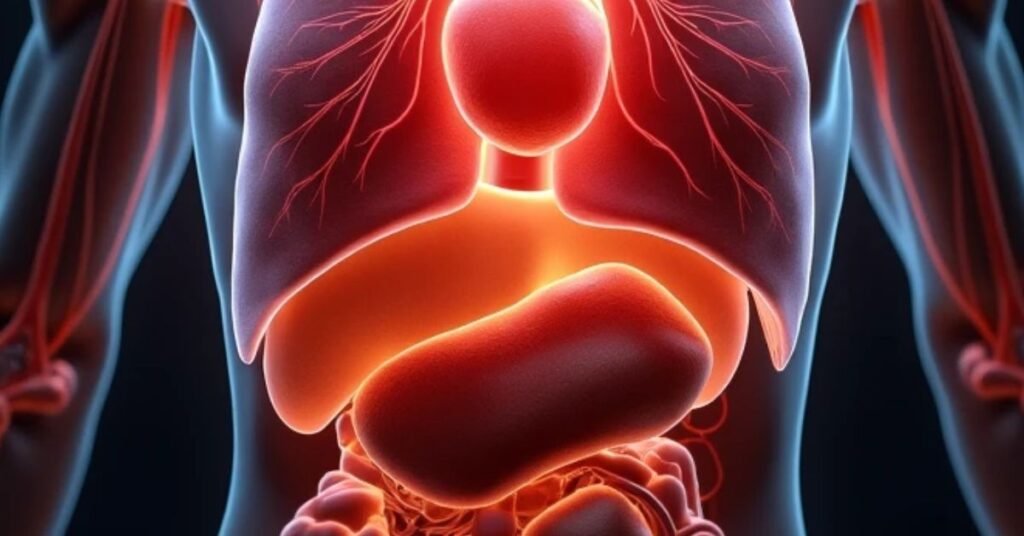
Practicing and mastering breathing is essential for flutists, as it directly influences sound quality and control during musical performance. One of the most effective techniques is diaphragmatic breathing. This approach involves using the diaphragm to maximize lung capacity and increase breathing efficiency. To practice this technique, musicians can lie on their back and place a book on their abdomen. When inhaling deeply, the book should rise, demonstrating that the air is being correctly drawn into the diaphragm rather than just the upper lungs.
Another valuable exercise is airflow control, which can be developed through long tones. Start by sustaining a note on the flute and gradually increase and decrease the intensity of the sound. This helps improve air stability and encourages the musician to recognize the importance of continuous air support while playing. Additionally, varying volume—such as playing softly and loudly—enhances one’s ability to manipulate airflow.
Integrating breathing with musical execution is equally vital. For example, practicing scales with controlled breathing can improve coordination between the two. Musicians are encouraged to divide scales into segments, taking strategic pauses to breathe properly, which not only promotes better breathing but also enhances musicality in performance.
Incorporating these techniques into daily practice can lead to significant improvements in performance. Developing awareness of breathing helps flutists create a fuller, smoother sound and strengthens both their technical and artistic abilities on the instrument.
Practical Breathing Exercises to Improve Performance
Improving flute performance requires strong respiratory capacity. Below are practical breathing exercises that flutists can include in their daily routine to enhance not only lung capacity but also breath support while playing.
One essential practice is the “Long-Duration Exercise.” To perform it, inhale deeply through the nose while counting to four, hold your breath briefly, then exhale slowly through the mouth while counting to eight. This exercise helps develop breath control and the ability to sustain long notes—key aspects of flute performance. Repeating it several times a day will gradually increase exhalation duration, dramatically improving your playing endurance.
Another effective method is the “Exhalation Time Control Exercise.” In this exercise, the musician begins by playing a note with a short exhalation, then gradually extends the duration until it becomes steady. This not only trains breath control but also helps flutists better understand the dynamics of each note and the need for proper breathing when interpreting different musical styles.
“Respiratory Warm-Up Techniques” are also important. Examples include extending the lips and making “p” and “b” sounds while inhaling and exhaling, or practicing tongue exercises with notes. These techniques help warm up not only the lungs but also the embouchure. Incorporating them into daily practice can noticeably improve respiratory efficiency, which in turn positively impacts flute performance.
Integrating Breathing with Flute Technique
Integrating breathing with flute technique is essential for optimizing musical performance. Proper breathing not only provides the necessary support for sound production but also directly influences musicality and expression. Therefore, developing alignment between breathing and technical execution is key to achieving a harmonious and fluid performance.
One important tip for achieving this integration is to pay attention to the synchronization of breathing with musical phrasing. This can be done by identifying pause points in the score where the musician can take breaths without disrupting melodic flow. In more complex pieces, it can be helpful to practice short phrases, ensuring that breathing becomes an organic part of the music rather than a disruptive element. Using diaphragmatic breathing techniques can expand lung capacity, allowing the flutist to sustain long, expressive notes.
Beyond individual practice, it is equally important to work with other musicians during rehearsals. Interaction with an ensemble helps develop a stronger sense of timing—crucial for live performances. When musicians are aware of each other’s breathing, it creates a unified sound that enhances the overall presentation. Preparing for performances involves not only technical execution but also internalizing how breathing can influence group dynamics.
Therefore, by investing time in practicing breathing techniques while refining flute performance, musicians will gain not only technical proficiency but also a greater capacity for musical expression. This integration is vital for standing out in performances and is an element that deserves careful attention from every flutist.
Conclusion
Mastering breathing techniques is fundamental for any flutist striving for excellence. Proper breath control not only supports tone production but also enhances expressiveness, stability, and endurance during performance. When breathing becomes second nature, it allows the musician to focus on the artistry of interpretation rather than the mechanics of airflow.
Integrating controlled breathing with technical execution leads to a more natural and fluid performance. The ability to synchronize breath with phrasing enables smoother transitions, consistent dynamics, and greater emotional depth in every piece played. It transforms the act of playing the flute into a more holistic musical experience, where breath and sound move as one.
Ultimately, developing strong respiratory habits empowers flutists to reach their full musical potential. Through dedicated practice and awareness of the body’s natural rhythm, musicians can achieve precision, expressiveness, and confidence on stage—turning every performance into a captivating display of breath, control, and artistry.
Did you like the Breathing Tips to Improve Your Flute Performance? You might also like The most commonly used wind instruments in jazz bands.
FAQ — Breathing Tips to Improve Your Flute Performance
1. Why is breathing so important for flute players?
Breathing is the foundation of flute playing because the instrument relies entirely on air to produce sound. Proper breathing techniques help control tone, sustain long phrases, and add expressiveness to musical interpretation.
2. What is diaphragmatic breathing, and why should I practice it?
Diaphragmatic breathing involves using the diaphragm instead of shallow chest breathing. This technique allows flutists to take in more air efficiently, providing better control and endurance while playing.
3. How can I improve my breath control for longer notes?
Practice long-tone exercises daily. Inhale deeply, then exhale slowly while sustaining a single note with consistent volume and tone. Gradually increase the duration as your control improves.
4. How do I synchronize my breathing with musical phrasing?
Identify natural pauses in the music where you can take a quick, controlled breath without breaking the melodic flow. With practice, breathing becomes part of the musical phrasing rather than an interruption.
5. Can poor breathing technique affect my tone quality?
Yes. Insufficient or uneven airflow can cause weak, airy, or inconsistent tones. Proper breath support ensures a fuller, richer, and more stable sound.
6. Are there exercises I can do without my flute to strengthen my breathing?
Absolutely. You can practice breathing exercises such as inhaling for four counts and exhaling for eight, or blowing steadily through a straw to build control and lung strength.
7. How does breath control influence dynamics and expression?
Effective breath control allows flutists to manage volume changes smoothly, from soft pianissimos to powerful fortes, and to shape musical phrases with emotional depth.
8. What can I do to avoid fatigue or tension while playing?
Focus on relaxed, deep breathing and maintaining good posture. Avoid overblowing or holding unnecessary tension in your shoulders and neck. Efficient breathing reduces strain and enhances endurance.
9. How often should I practice breathing exercises?
Ideally, practice breathing exercises daily for at least 5–10 minutes. Consistency is key to developing stronger breath support and control over time.
10. Can better breathing really make me a more expressive musician?
Definitely. Breath is directly linked to phrasing, emotion, and tone color. When mastered, it allows flutists to communicate more naturally and musically—turning technique into true artistic expression.
See also: Flute Breathing for any Flutist.